


Holland’s Southern Relax Tulip Tour
Guided from EUR € 1155
Bike and Boat Tour aboard Anna Antal, Liza Marleen or Wending
Countries: Holland
Tap above to jump to different sections of this tour
-
Holland’s Southern Relax Tulip Tour
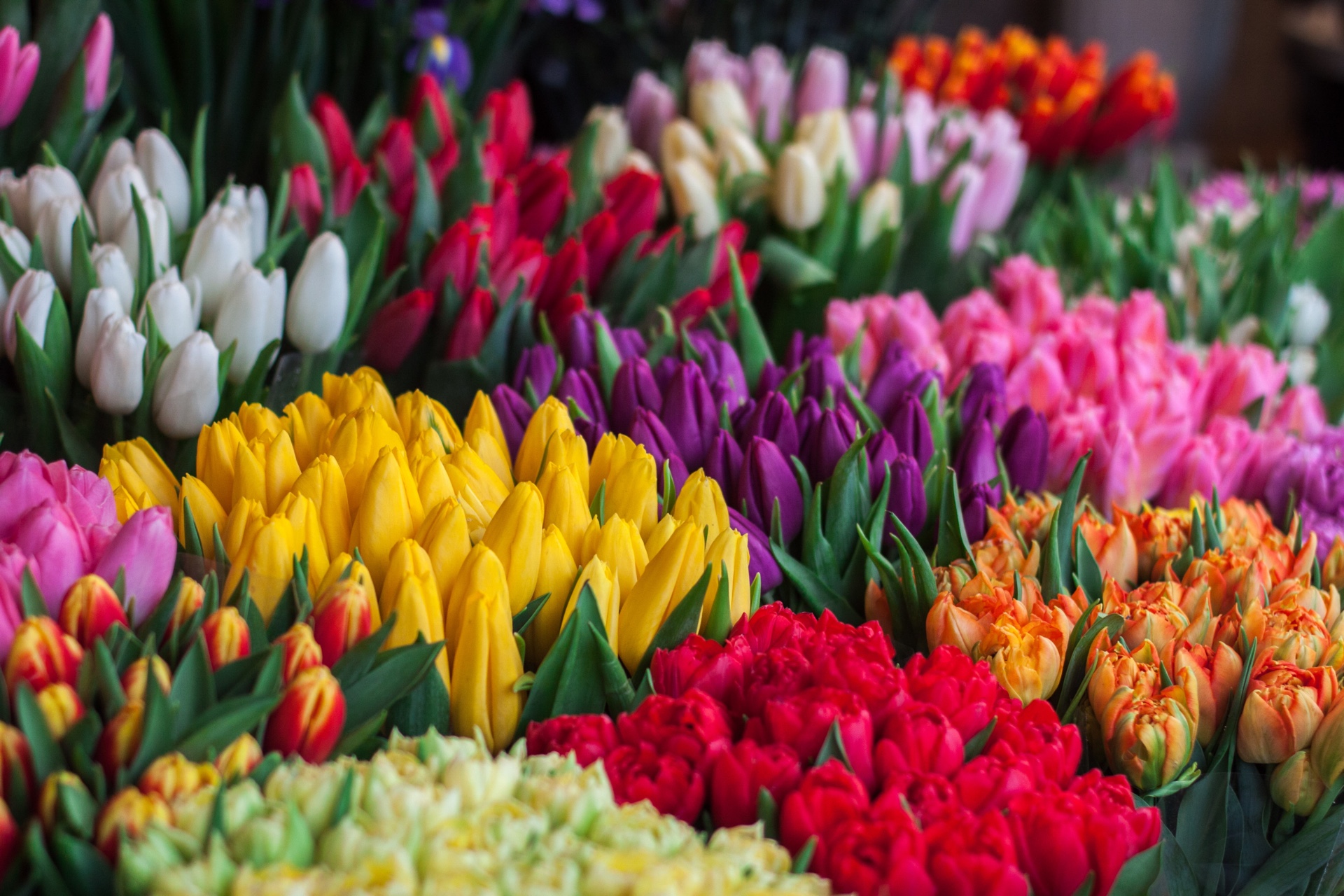
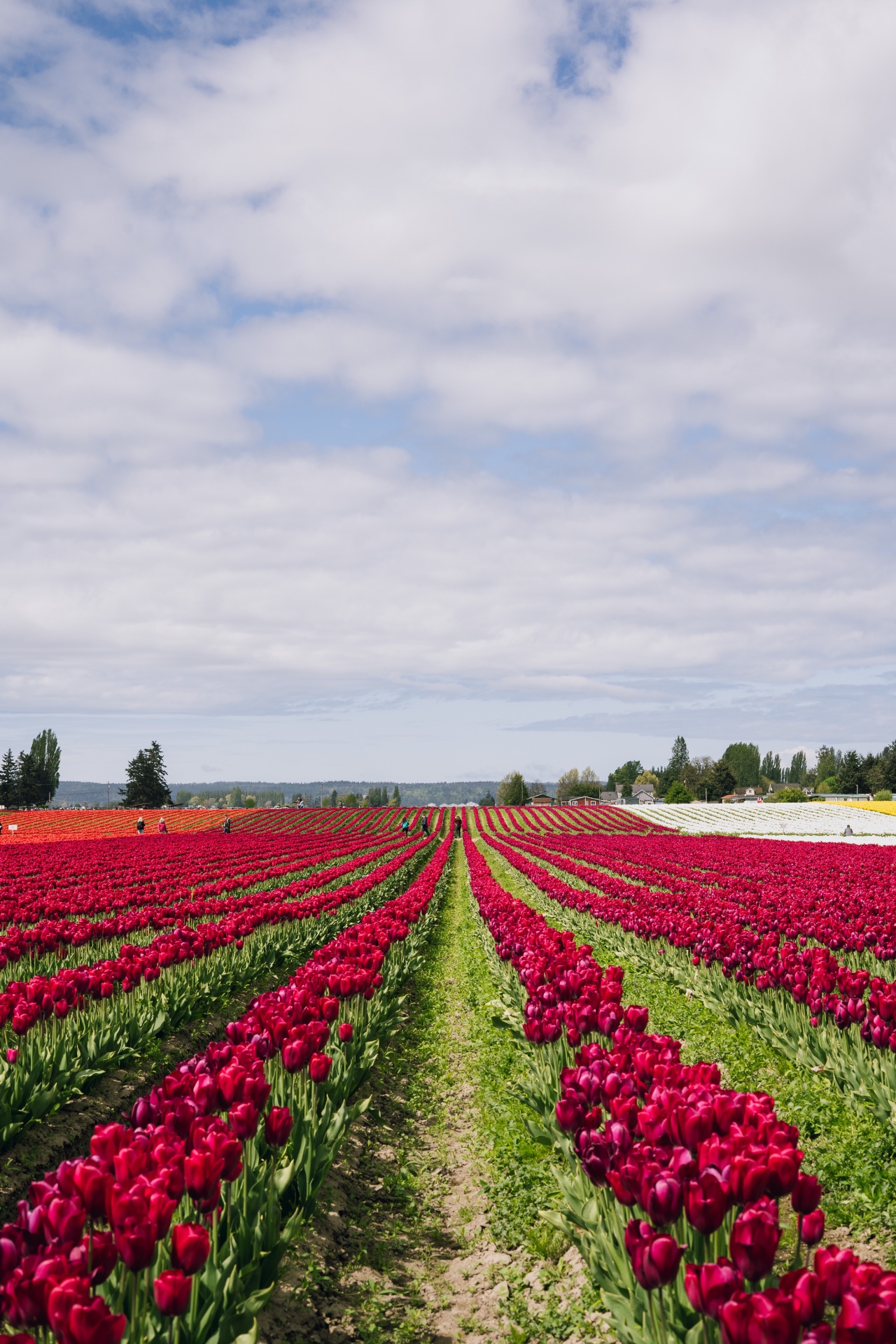
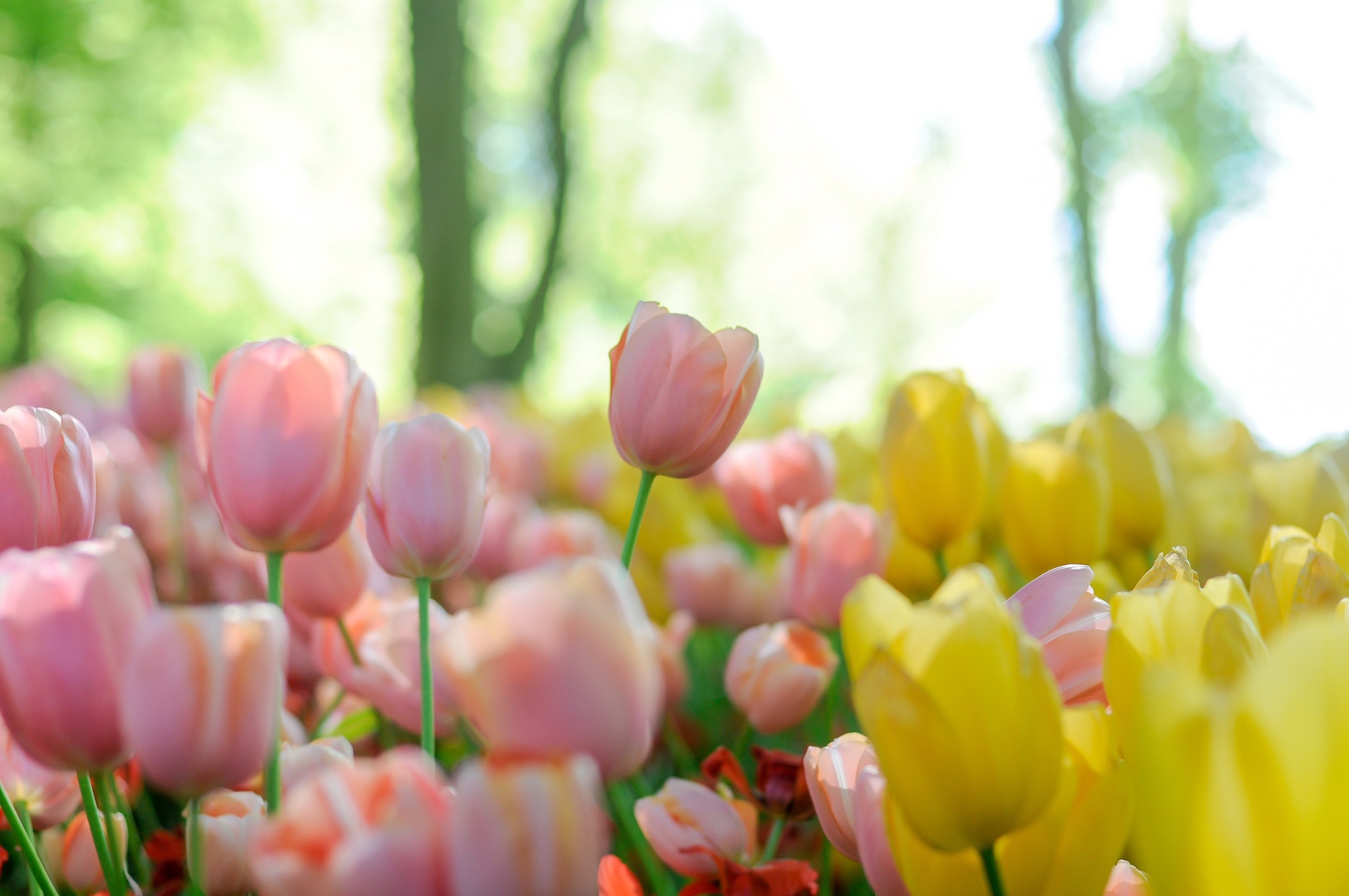
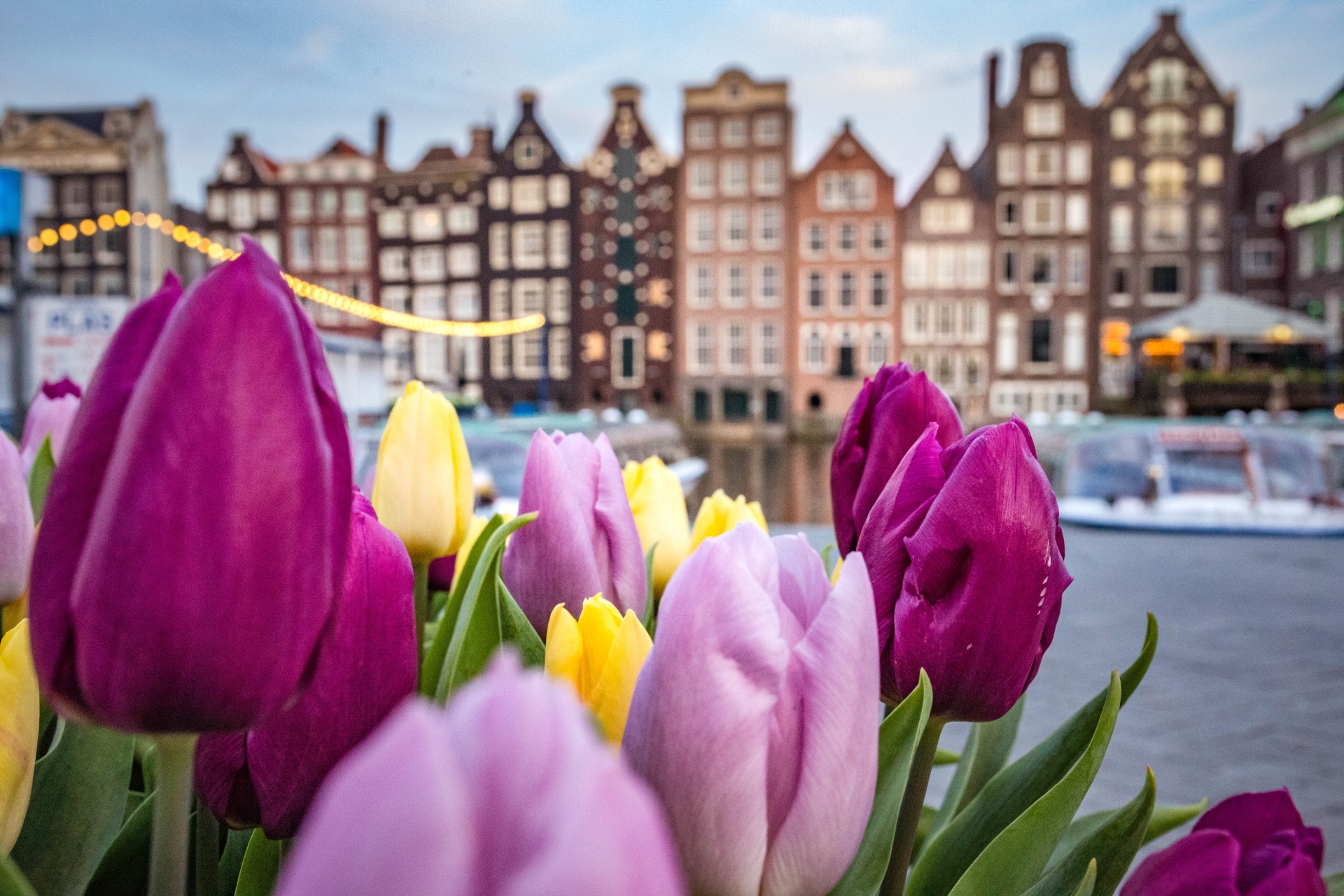
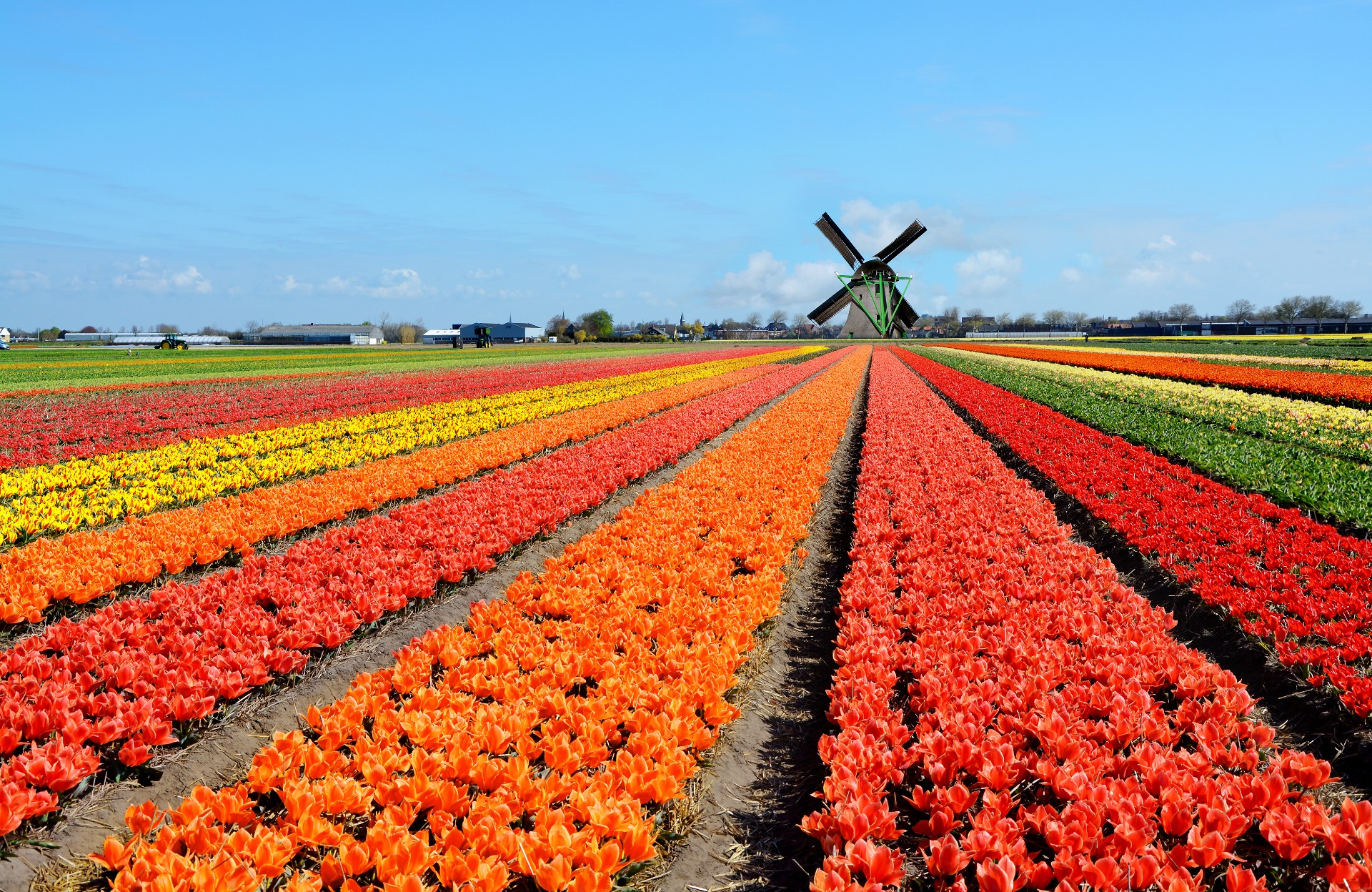
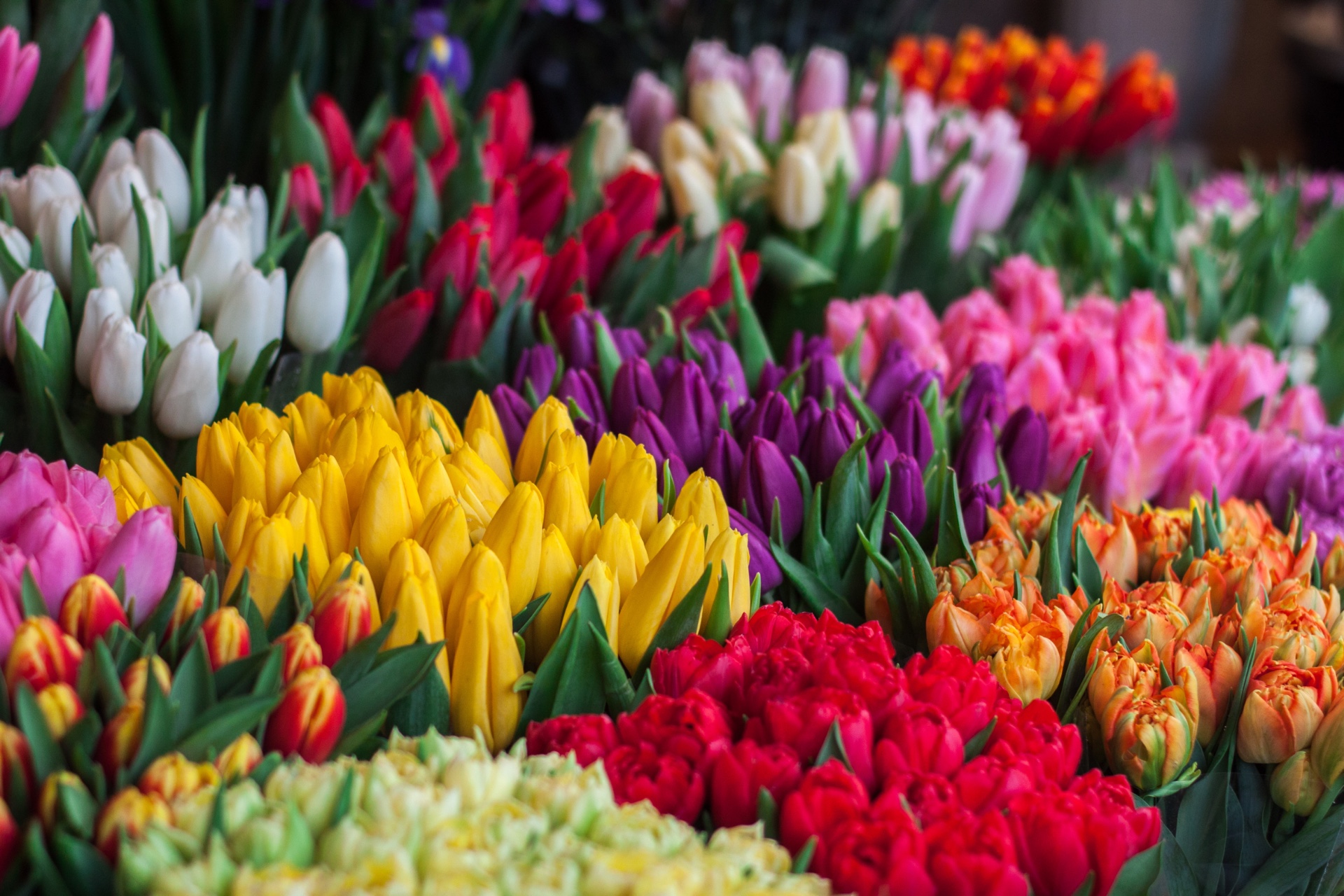
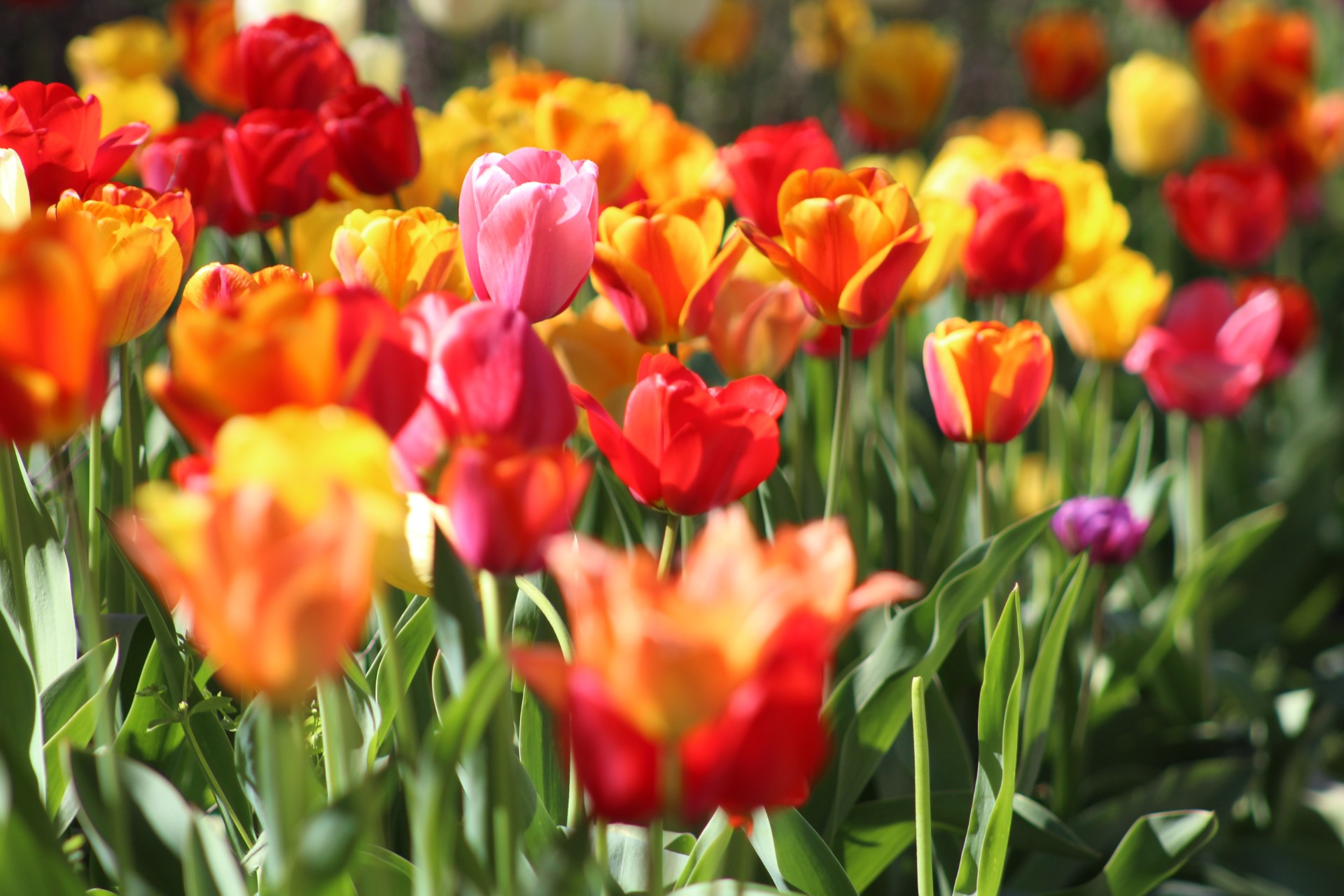
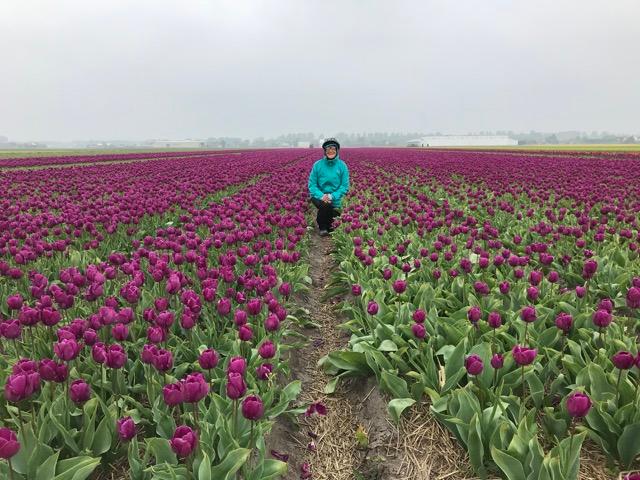
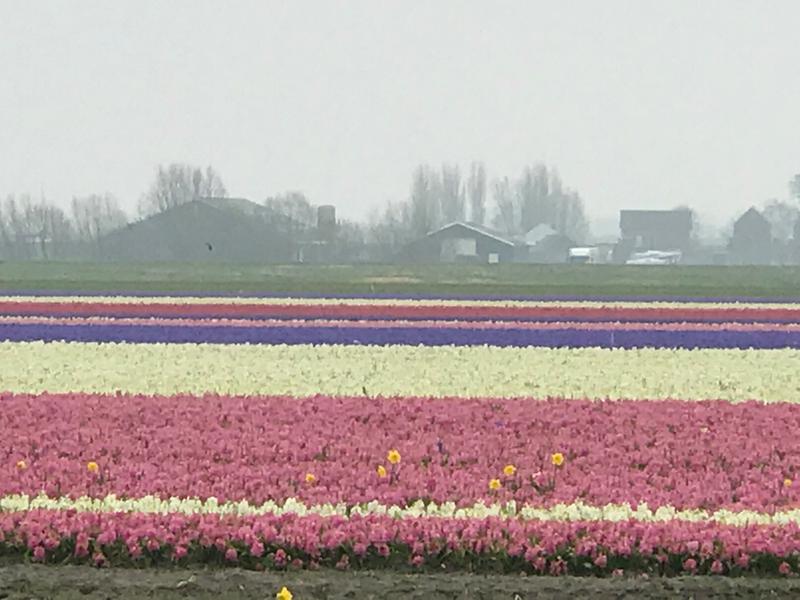
View the fantastic colors of Spring! Between April and mid-May. We offer special tulip bicycle tours in the Netherlands. The program is quite similar to the Southern Tour Relax, but in springtime, this tour will be centered around the Tulip theme and of course a visit to the "Keukenhof."
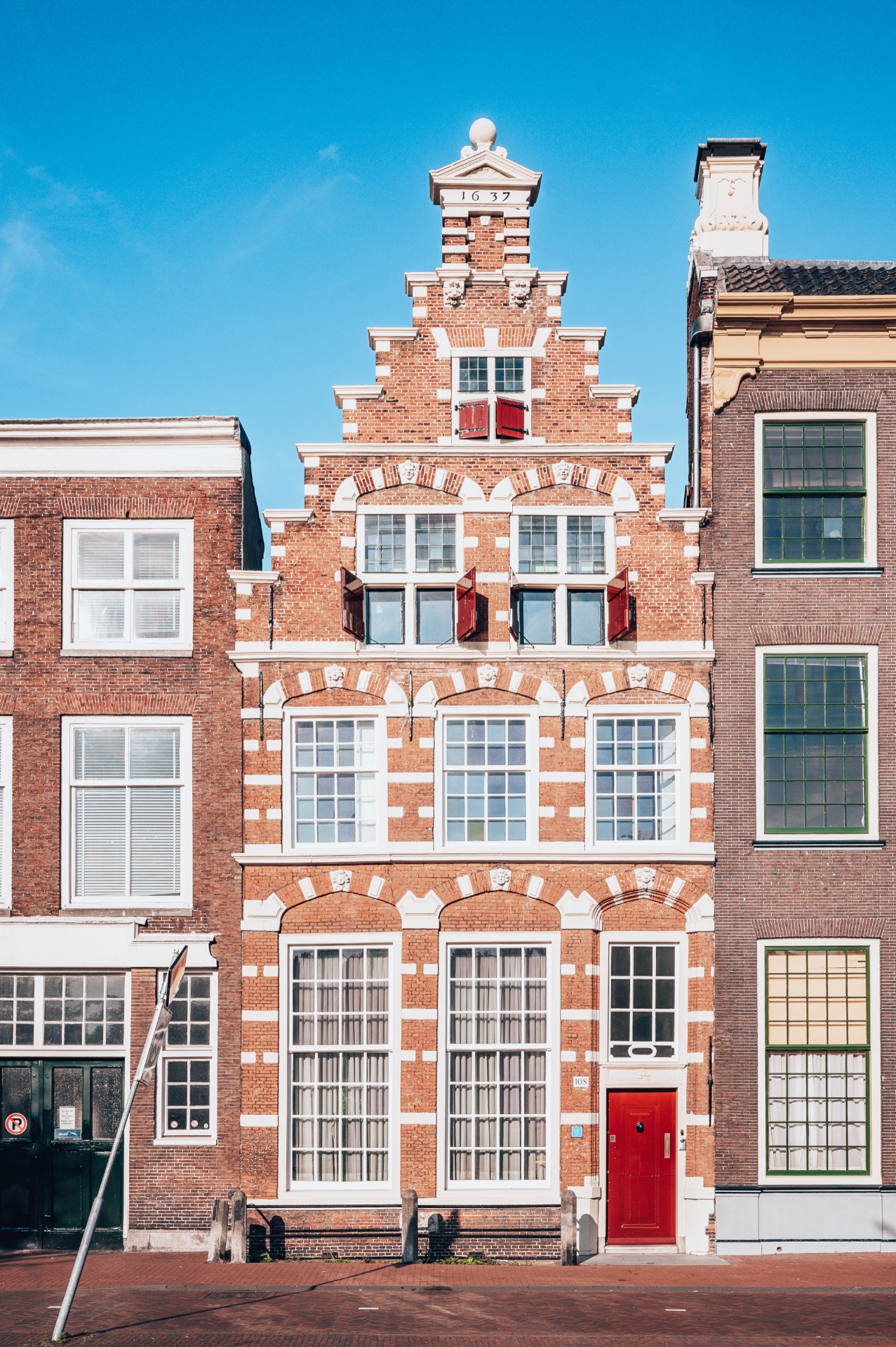
The tulip originated in Turkey. The tulip bulb reached The Netherlands at the end of the 16th century. The flower and bulb were thought to be so special that a lively trade arose quite quickly, and in 1634 there was one single bulb that was so expensive that a whole canal-side house in Amsterdam cost the equivalent. In 1637 the government took the speculation in hand and the bulbs dropped in price drastically. The bulb and flower became "normal."
This route leads through vast fields of tulips between Leiden and Haarlem. From Leiden, it is simple to take the bus and spend a day at The Keukenhof- the world-famous, 32-hectare park, where you can admire the gorgeous fields with flowering bulbs in peace and quiet. At the end of the day, you'll catch the bus back to Leiden. The bus admission costs are included in the tour price.
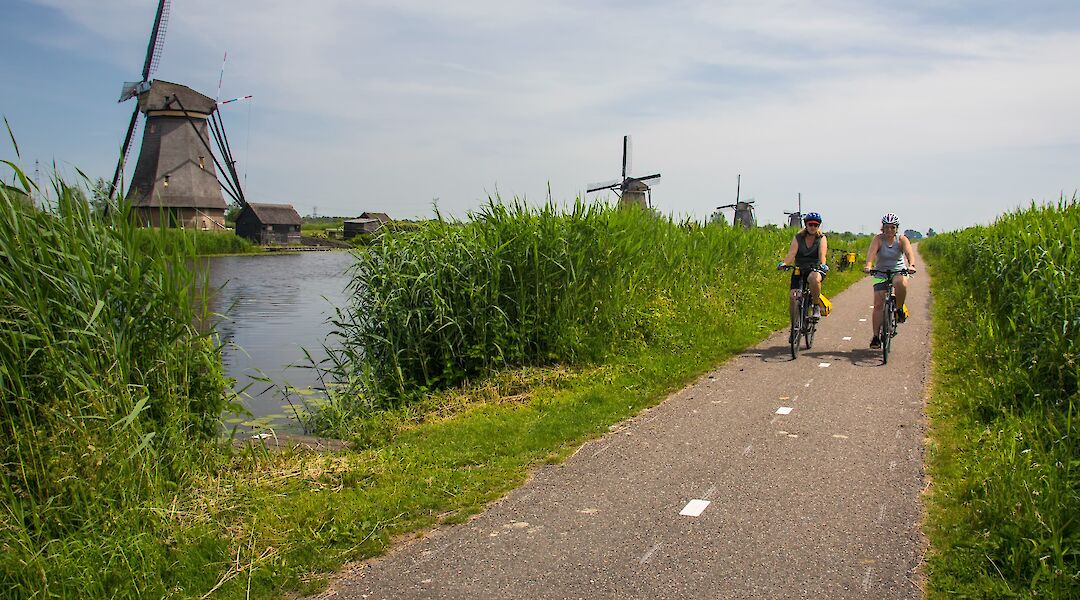
Apart from the beautiful flowers, you will also see the famous cheese city of Gouda, the 19 windmills of Kinderdijk (on the World Heritage List), the international port of Rotterdam, and the Residence The Hague.
Highlights
- Keukenhof
- Tulips, Rhododendrons and Azaleas
- Historic town centers
- Gouda
- Kinderdijk
- The Hague
Learn More
Learn more about guided tours.
-
![Royal Palace of the Hague in the Netherlands.]()
![Holland’s Southern Relax Tulip Boat Bike Tour]()
![Grote Kerk in Gouda, South Holland, the Netherlands.]()
![Zaanse Schans, Zaandam, the Netherlands. ASwathyn@Unsplash]()
![Holland’s Southern Relax Tulip Boat Bike Tour]()
![Rotterdam, the Netherlands. Dimitry Anikin@Unsplash]()
![Tulips in Holland! Joshua Hoehne@Unsplash]()
![Delft, South Holland, the Netherlands. Folcomasi@Unsplash]()
![Delft, South Holland, the Netherlands. Mathew Schwartz@Unsplash]()
![Tulips! Ioann Mark-Kuznietsov@Unsplash]()
![Dunes in Katwijk, the Netherlands. bertknot@Flickr]()
![Amsterdam, North Holland, the Netherlands. Gauravjain@Unsplash]()
![Tulip fields in Holland! Carter Rubio@Unsplash]()
![Keukenhof, Lisse, the Netherlands. CC:Ngocchat1014]()
![Tulips! Sylwia Forysinska@Unsplash]()
![Kinderdijk, South Holland, the Netherlands. Romane Gautun@Unsplash]()
![Zaanse Schans, Zaandam, the Netherlands. Ernstn@Unsplash]()
![Holland’s Southern Relax Tulip Boat Bike Tour]()
![Rotterdam, South Holland, the Netherlands. Richard Ciraulo@Unsplash]()
![Holland’s Southern Relax Tulip Boat Bike Tour]()
![Keukenhof, Lisse, the Netherlands. Giuvicente@Unsplash]()
![Gouda, South Holland, the Netherlands. CC:Arwin Meijer]()
![Haarlem, North Holland, the Netherlands. Alex Dudar@Unsplash]()
![Delft, South Holland, the Netherlands. Michael Fousert@Unsplash]()
![Zaandam, the Netherlands. ASwathy@Unsplash]()
![Haarlem, North Holland, the Netherlands. Hamid Bagheri@Unsplash]()
![Keukenhof, Lisse, the Netherlands. CC:Balou46]()
![Haarlem, North Holland, the Netherlands. Mark DeJong@Unsplash]()
![Klompen for sale in Holland! Joao Guimaraes@Unsplash]()
![Zaanse Schans, Zaandam, the Netherlands. ASwathyn@Unsplash]()
![Amsterdam, North Holland, the Netherlands. Catalina Fedorova@Unsplash]()
![Keukenhof, Lisse, the Netherlands. CC:Luu]()
![Gouda, South Holland, the Netherlands. Who's Denilo?@Unsplash]()
![Famous cheese market in Gouda, South Holland, the Netherlands. CC:Ralf Roletschek]()
![Butterflies in the Netherlands. ©Hollandfotograaf]()
![Holland’s Southern Relax Tulip Boat Bike Tour]()
![Katwijk, the Netherlands. bertknot@Flickr]()
![Holland’s Southern Relax Tulip Boat Bike Tour]()
![Gouda, South Holland, the Netherlands. CC:Ralf Roletschek]()
![Delft, South Holland, the Netherlands. Who's Denilo?@Unsplash]()
![Holland’s Southern Relax Tulip Boat Bike Tour]()
![Kinderdijk, South Holland, the Netherlands. Giuseppe Bandiera@Unsplash]()
![Tulips! Ioann Mark-Kuznietsov@Unsplash]()
![Holland’s Southern Relax Tulip Boat Bike Tour]()
![Holland’s Southern Relax Tulip Boat Bike Tour]()
![Delft, South Holland, the Netherlands.]()
![Tulips! Krystina Rogers@Unsplash]()
![Holland’s Southern Relax Tulip Boat Bike Tour]()
![Spaarne River in Haarlem, North Holland, the Netherlands.]()
Traveler photos
-
-
Daily program
You are expected on the barge on Thursday no later than 1:30pm, at which time the boat leaves its mooring place in Amsterdam. The barge cannot wait due to the opening hours of bridges and locks, so plan your arrival accordingly.
Day 1: Arrival and embarkation in Amsterdam – Oude Wetering (6 miles/10 km)
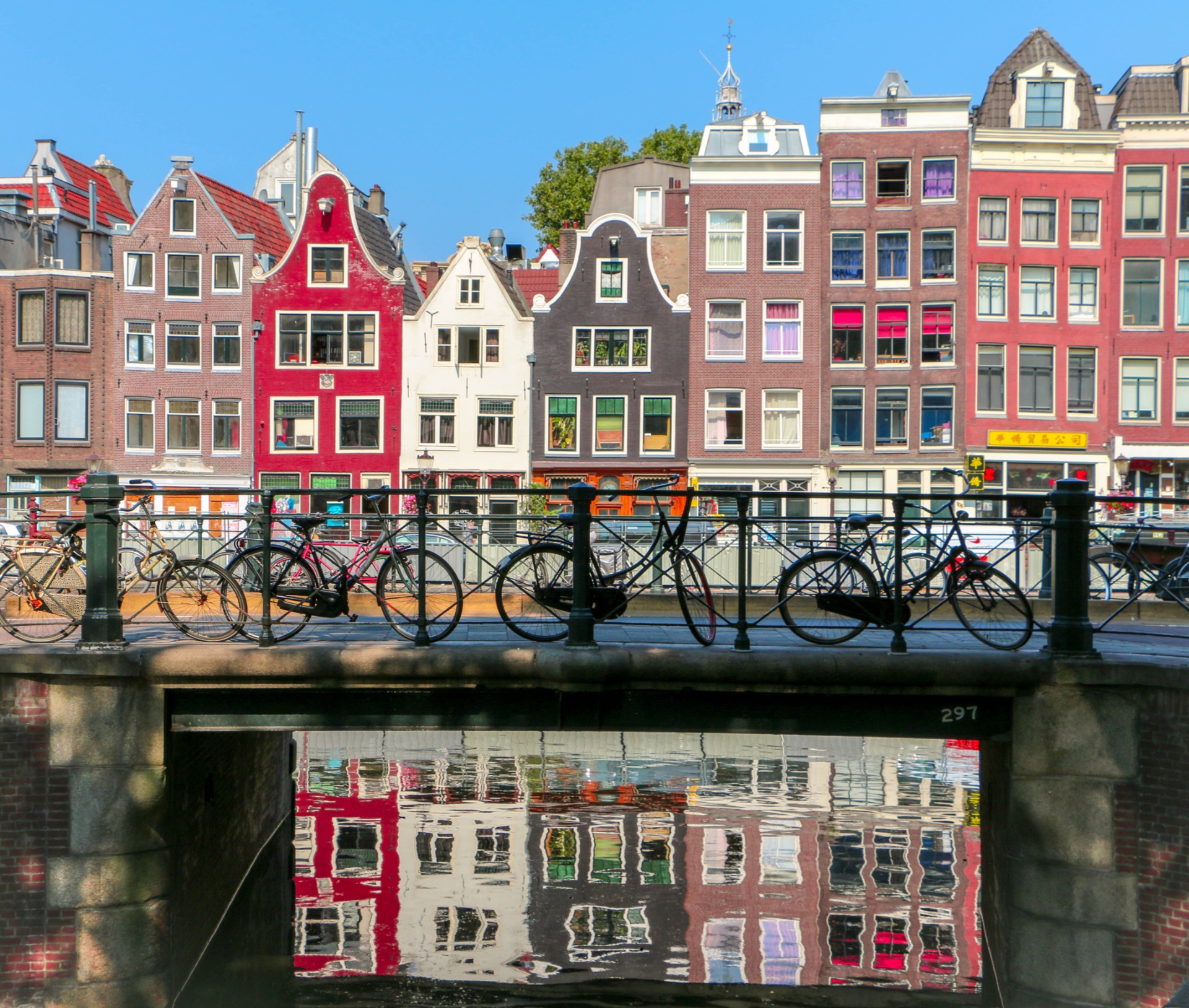
You may embark between 12:30-1:30pm. The barge needs to leave the mooring place in Amsterdam shortly after eveyrone is on board. When you arrive on board the ship, you can put your luggage away in your cabin and then enjoy a cup of coffee or tea. This is also a good moment to become acquainted with the guide, skipper and crew, and of course your fellow passengers. In the 12th century, Amsterdam was no more than a modest settlement at the mouth of the river Amsteel, with open connection to the sea. In those days fishermen and craftsmen built a dam in the Amstel (now the site of the National Monument) and Amstel-re-damme was born. Amsterdam was granted a municipal charter in 1275 and has since expanded continually. In the 17th and 18th century, Amsterdammers were the most prosperous Europeans. The famous rings of canals were dug in the Golden Age, the 17th century. Powerful merchants had their abundantly ornamented mansions built here, thus manifesting their riches.Amsterdam is a city to be explored on foot and we recommend the following places of interest: the rings of canals; the Jordaan area with its many pubs, outdoor cafés and quaint shops; Vondelpark with its open-air concerts; Leidseplein; Rembrandtsplein; the antique shops in the Spiegel district; Museum Square with the Rijksmuseum (National Museum), Stedelijk Museum (Museum of Modern Art), Van Gogh Museum and of course the Anne Frank House. Other typical features of Amsterdam are its numerous 'hofjes' (almshouses), the floating flower market, and the hundreds of houseboats lining the canals. Amsterdam is inextricably related to the diamond-cutting industry, which has brought much fame to the city since the 17th century. The palace on Dam Square is sometimes called the eighth Wonder of the World as it was built on 13,659 piles.
After your cruise through Amsterdam, you will reach the wetlands south of the city and your mooring place for the evening, the village of Oude Wetering. This relaxed way of starting your trip will help you get used to life on the barge.
You will have dinner aboard the ship, where you will discuss the program for the next day and the global planning of the week ahead. Instructions on cycling and safety procedures will also be given. Following dinner, your tour leader will escort you during a short bike ride around the village.
Overnight near Oude WeteringDay 2: Oude Wetering – Gouda (28 miles/45 km)
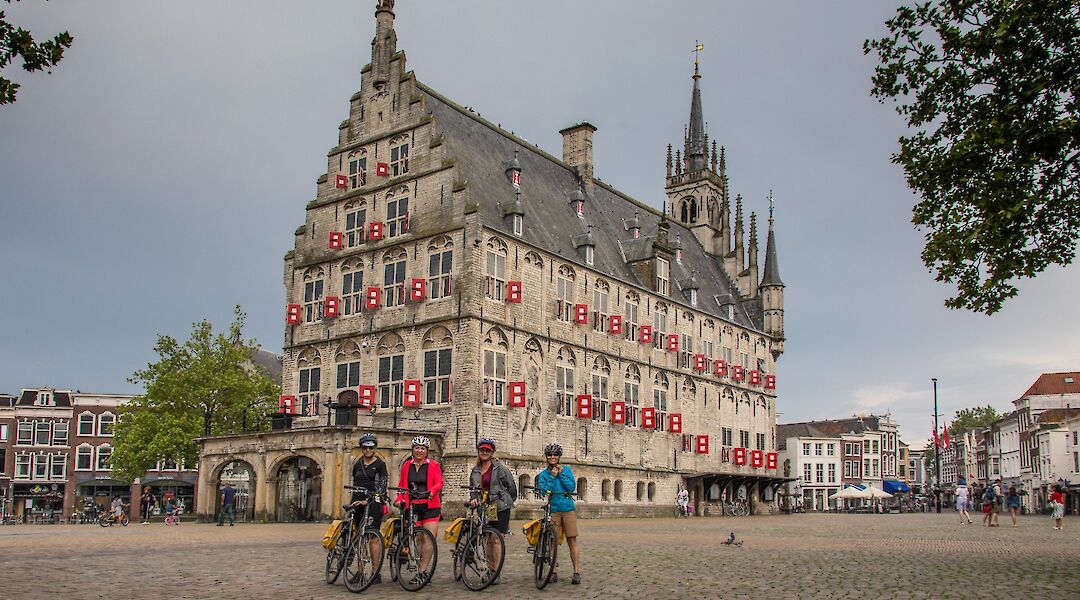
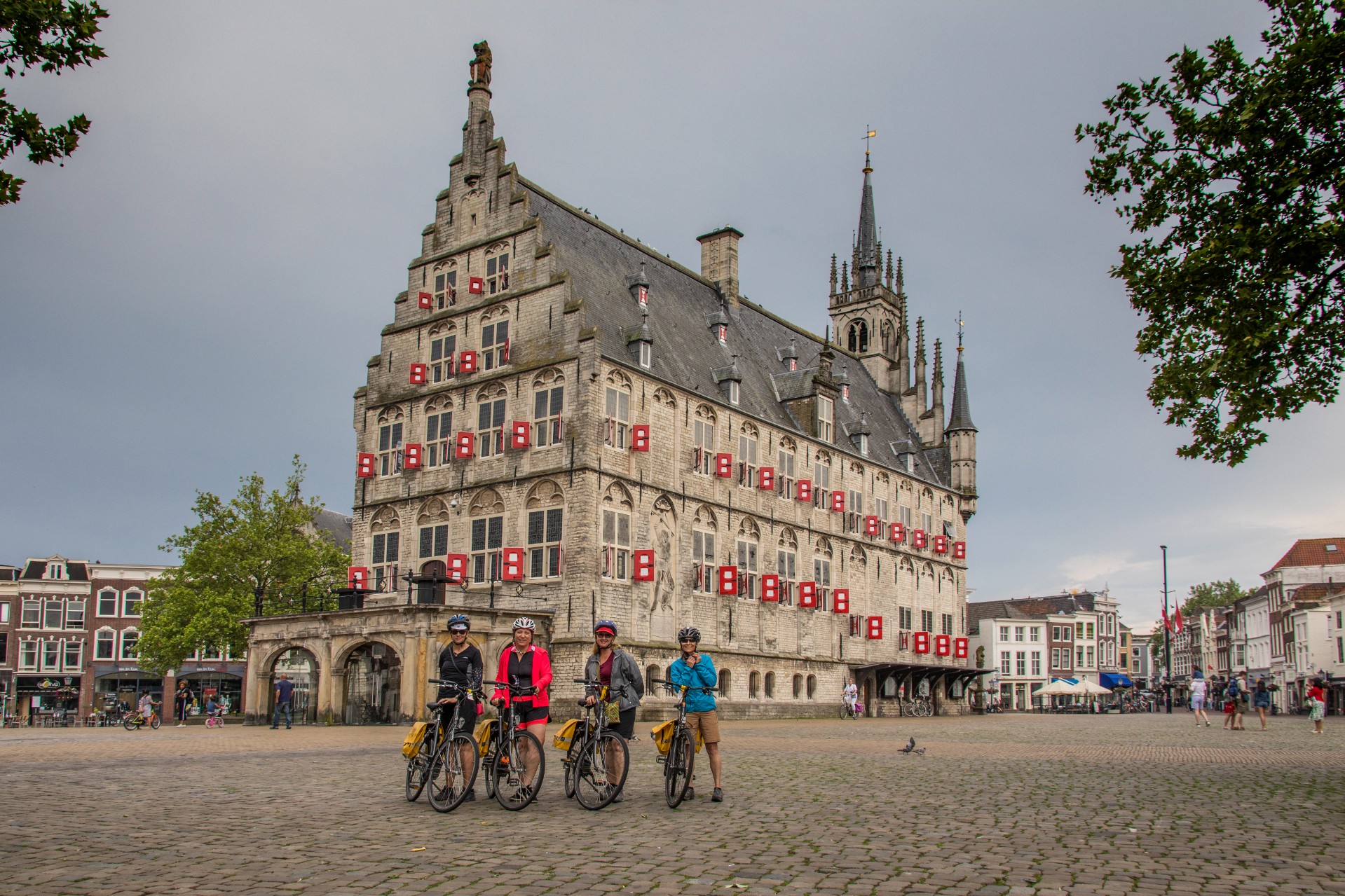
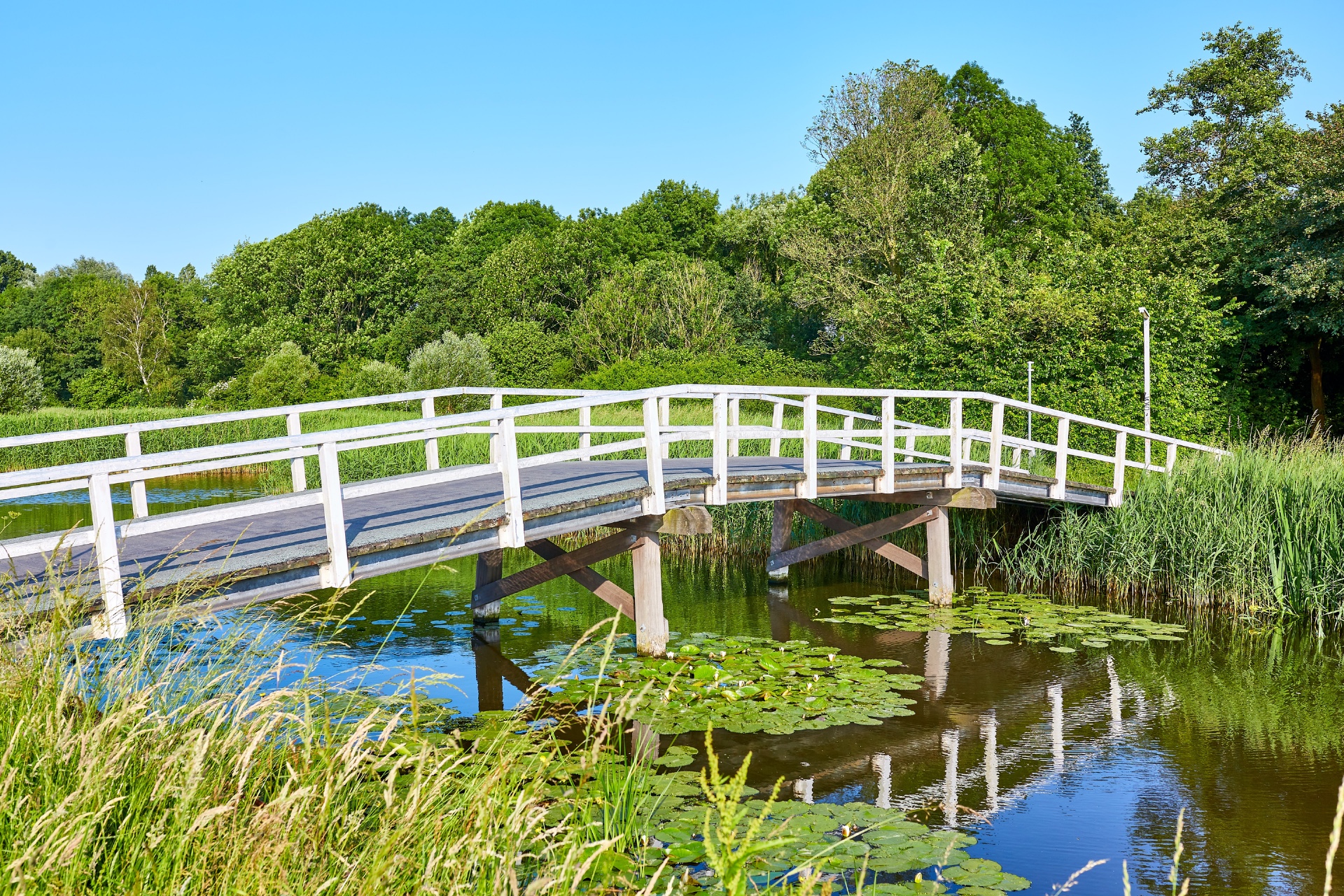
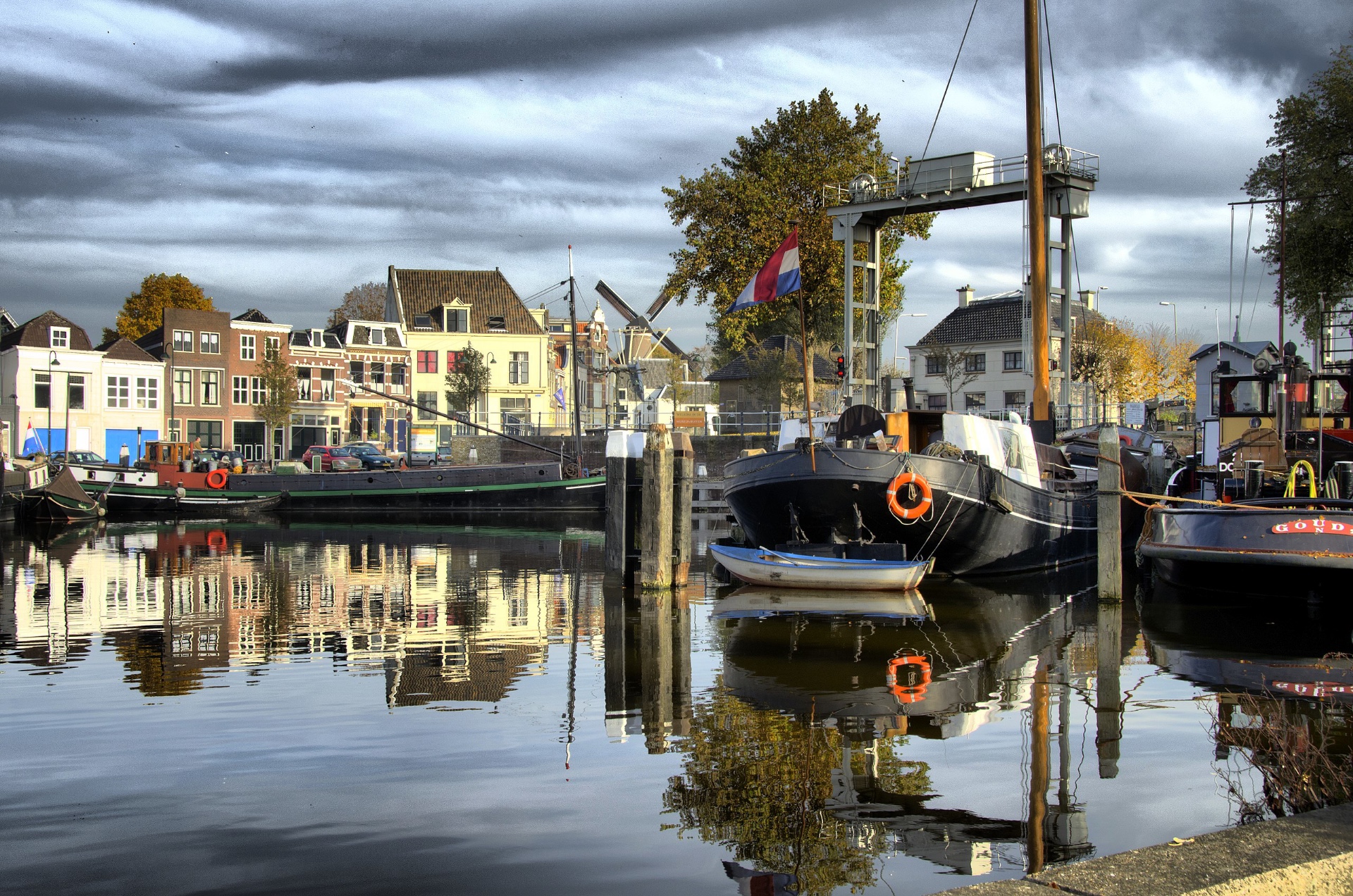
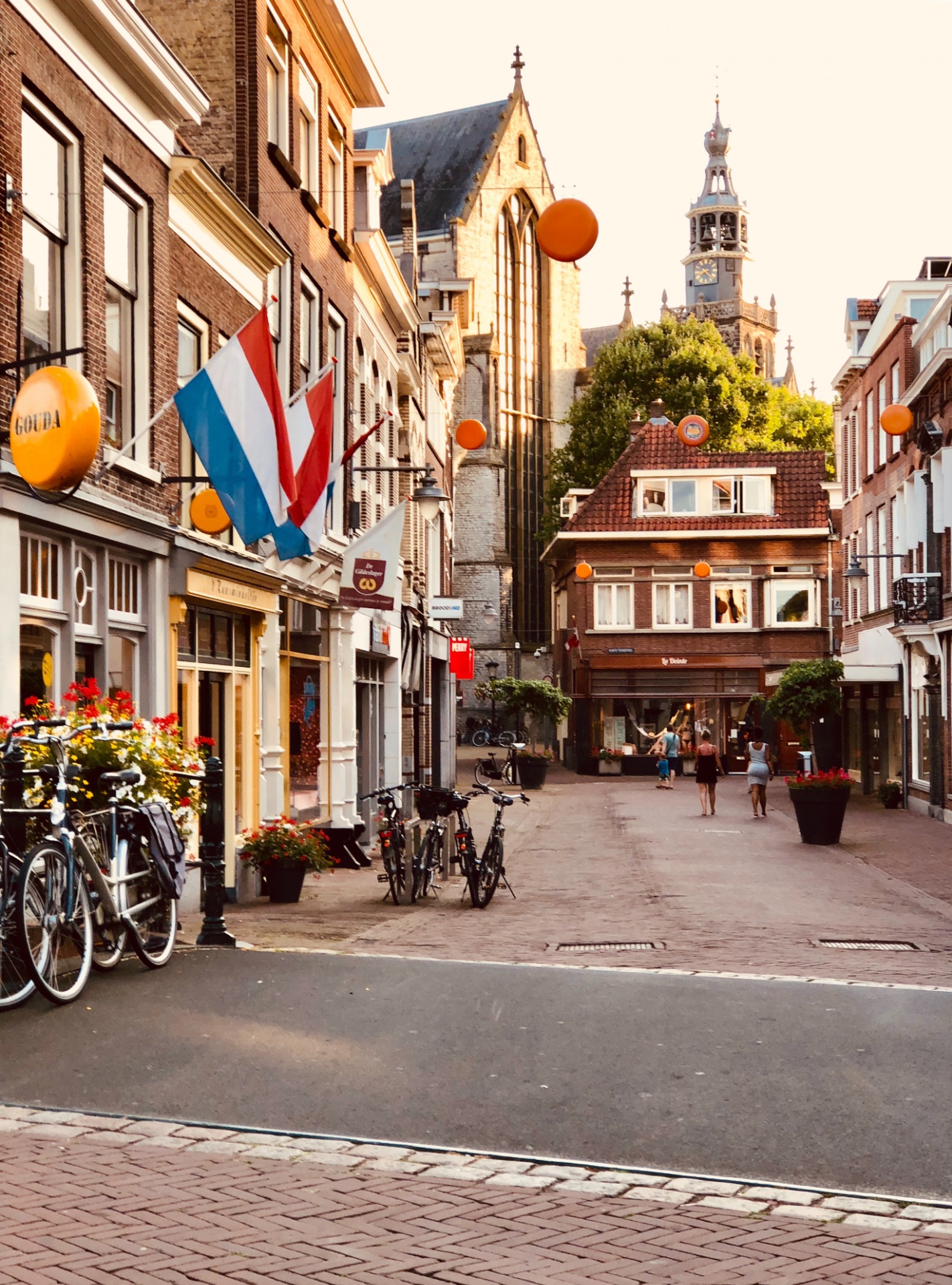
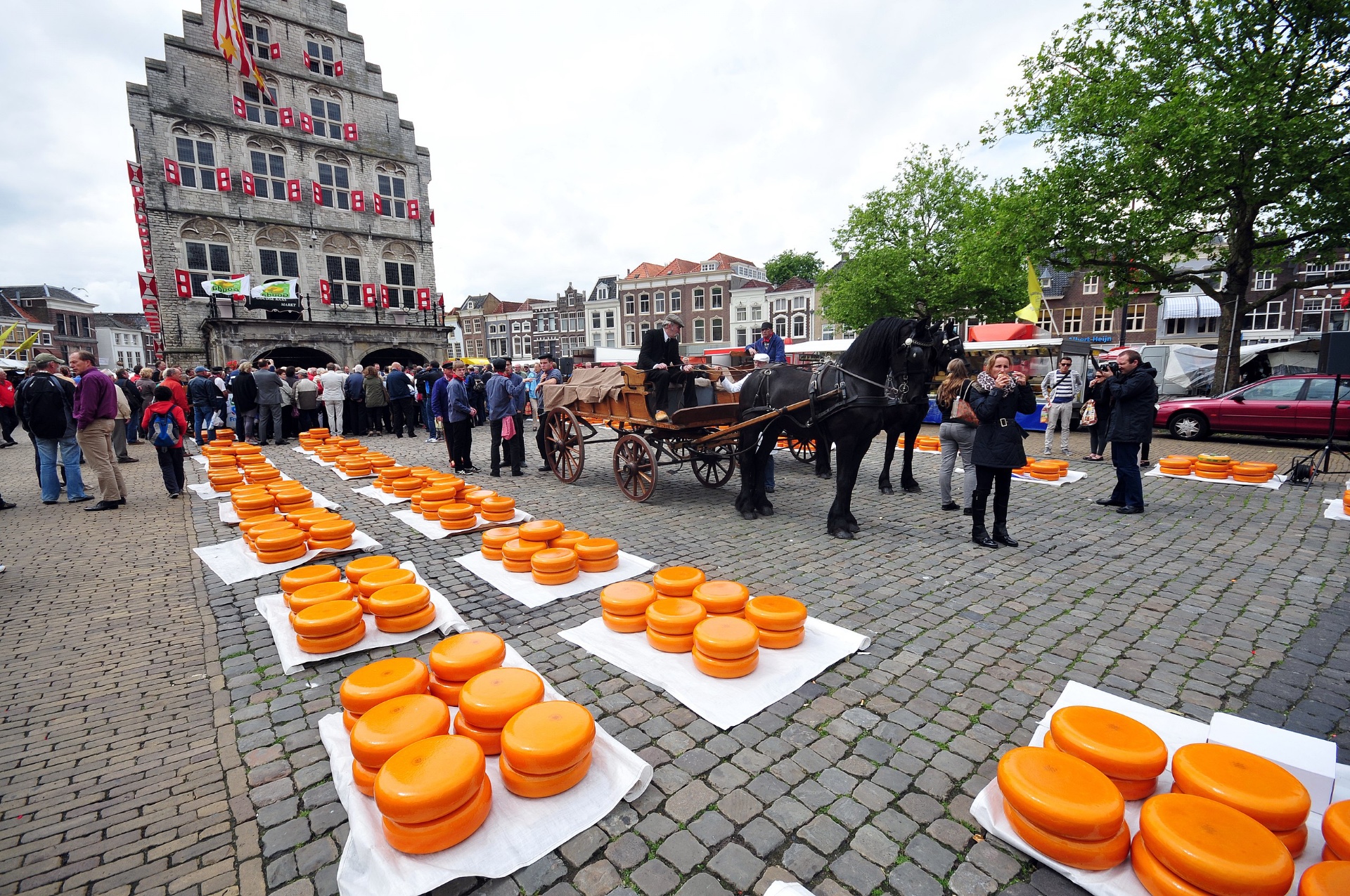
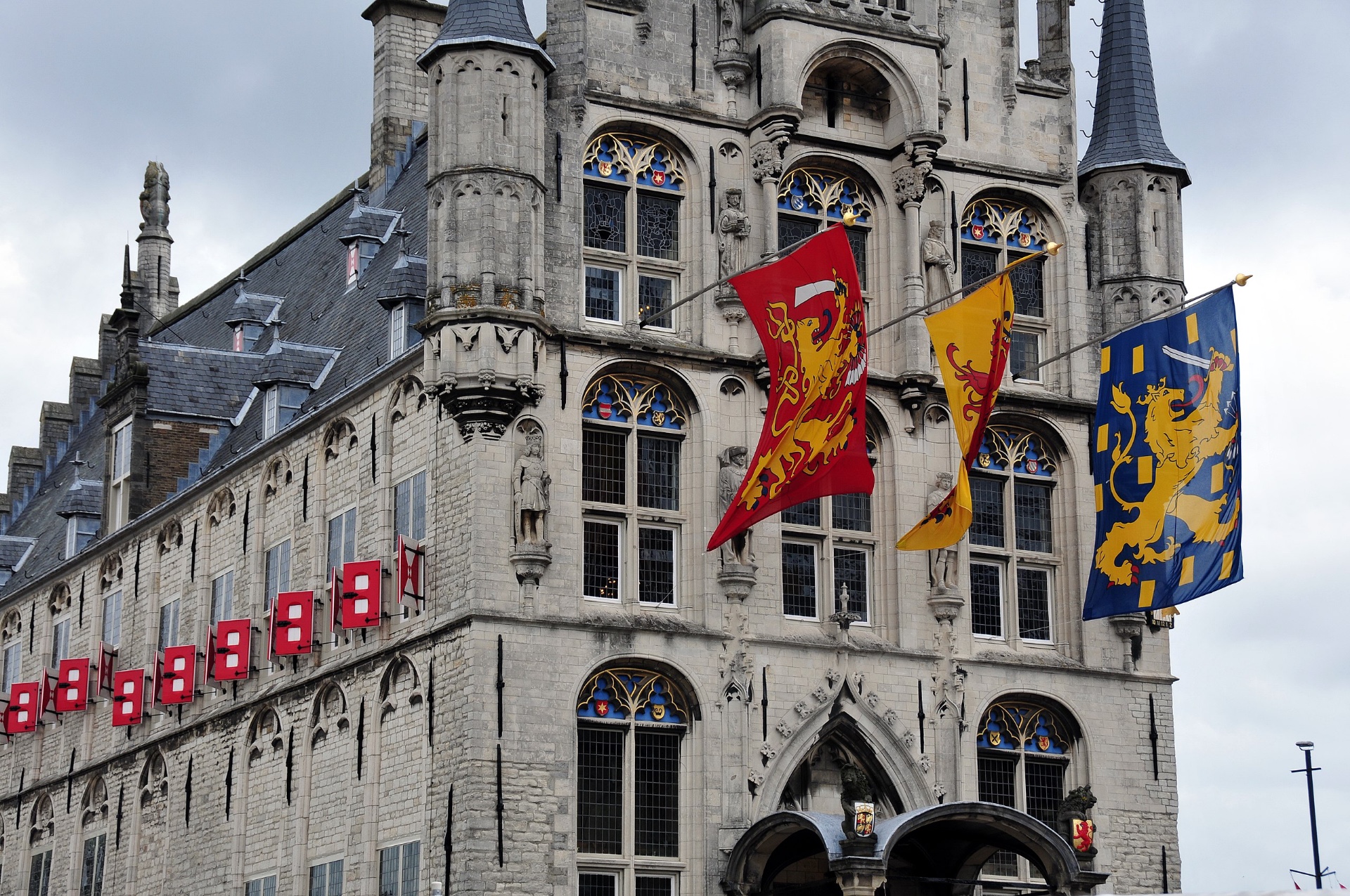
From Oude Wetering, you will continue your tour over country roads, banks and channels through the Green Heart and polders to the city known for its cheese: Gouda. Your ride takes you throguh a typical Dutch landscape, filled with green meadows, wetlands, cancals, rivers and small villages. You will cross waterways on small ferries and over bridges. Before reaching Gouda, you will ride through the Reeuwijkse Plassen, a nature reserve and renowned wetland.Whoever thinks of Gouda, thinks not only of cheese, pipes, stroopwafels (treacle-waffle) and pottery, but also of stained-glass windows, a fairytale-like town hall and atmospheric canals. Gouda is a beautiful Old-Dutch city with a mostly intact city center.
The "St. Janskerk", Gouda's 123-meter-long church, with its renowned "Goudse Glazen" (leaded light windows), the beautiful gothic town hall and the "Waag" (a building once used for weighing cheese) are absolutely worth a visit. Furthermore, one should not forget the Goudse Kaas- en Ambachtenmuseum (Museum of Cheese and Crafts), the Museum of Dutch Resistance, the "Weeshuisplein" (famous square), the Catharinatuin, patios around the city and the Museumhaven, a harbor where historical ships are moored. Today is Sunday, the day on which most Dutch take out their bikes for a ride.
As on most evenings, after dinner you will take a walk through the city.
Overnight near GoudaDay 3: Gouda – Kinderkijk – Rotterdam – Delft (25 miles/40 km)
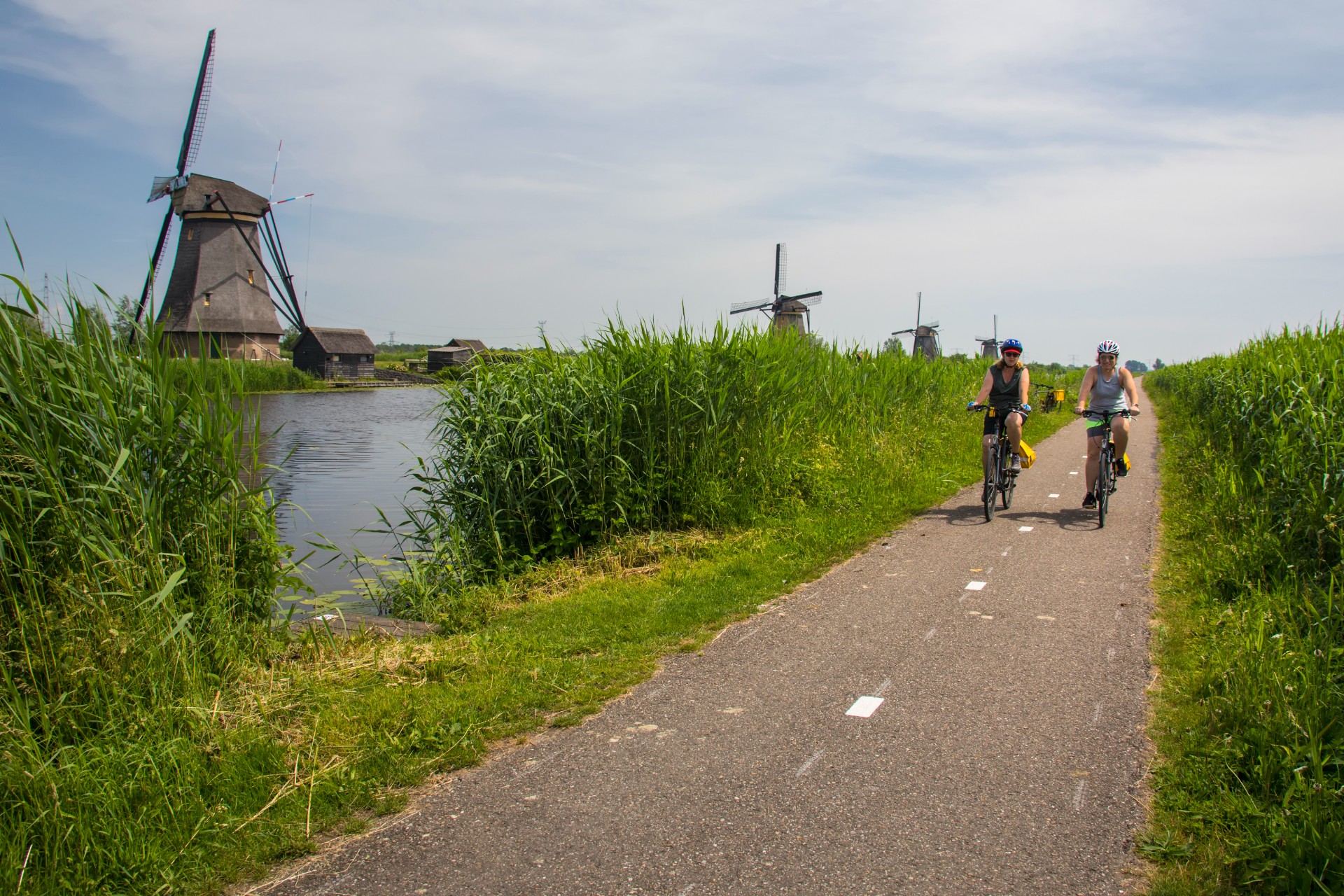
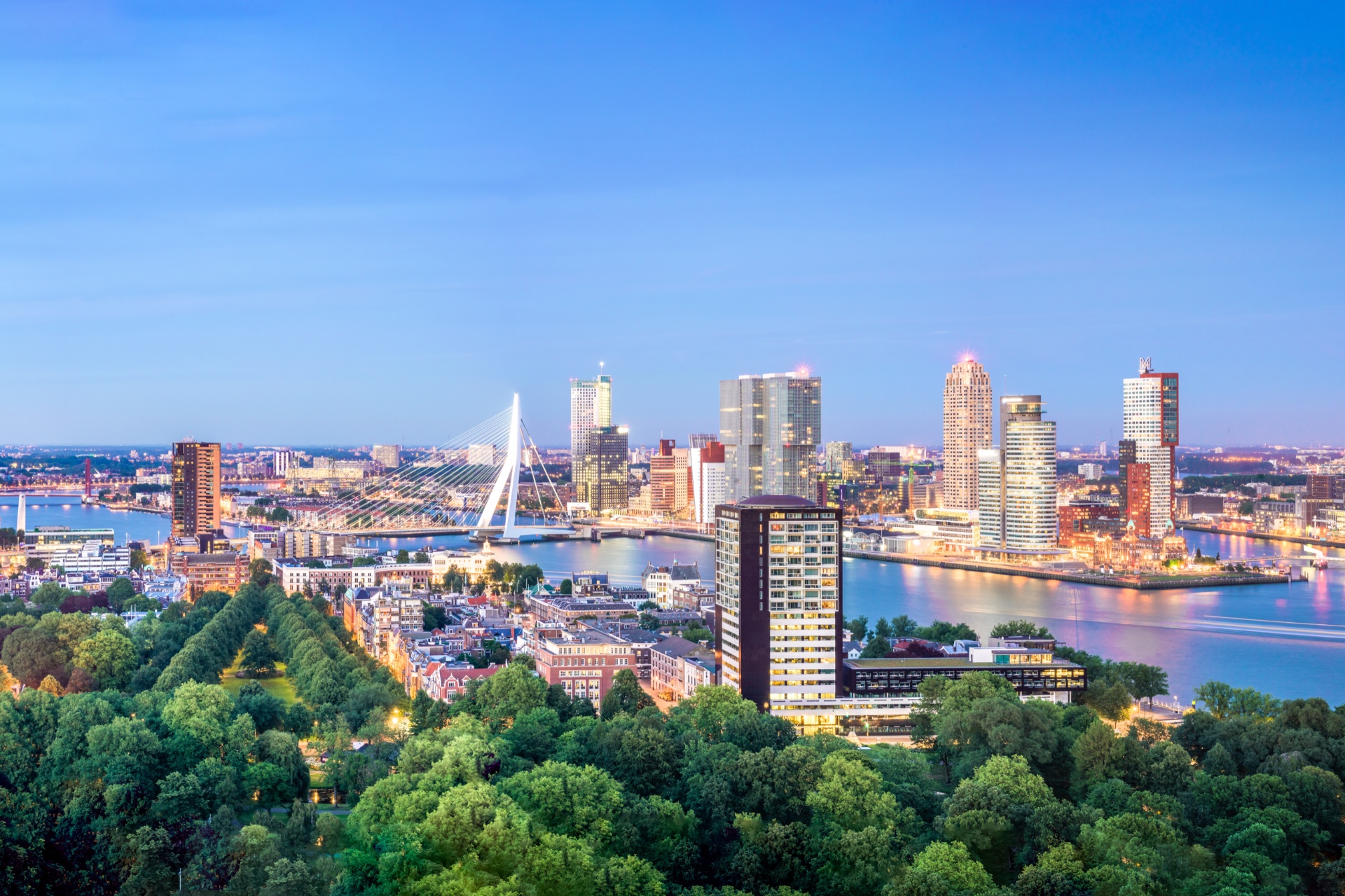
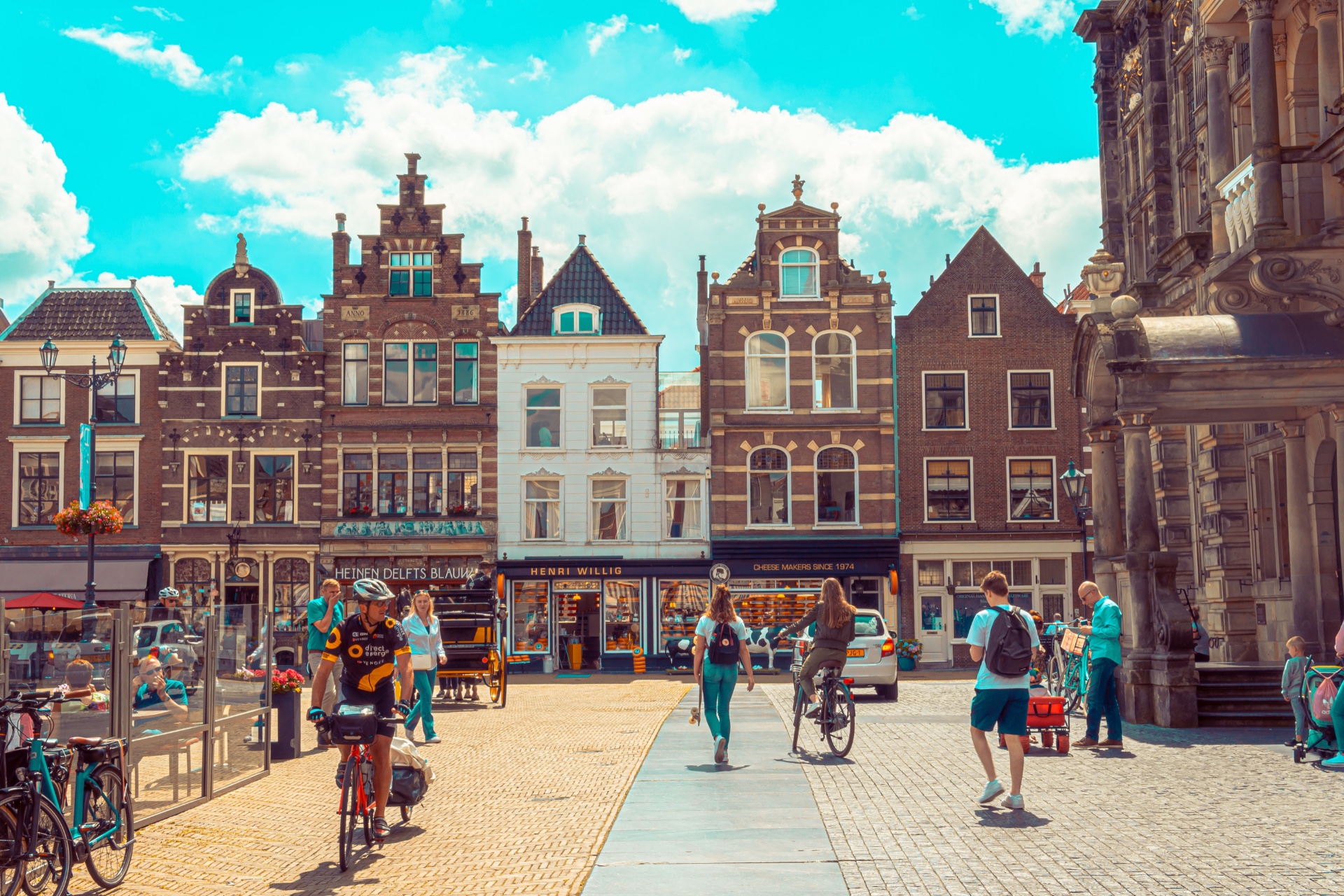
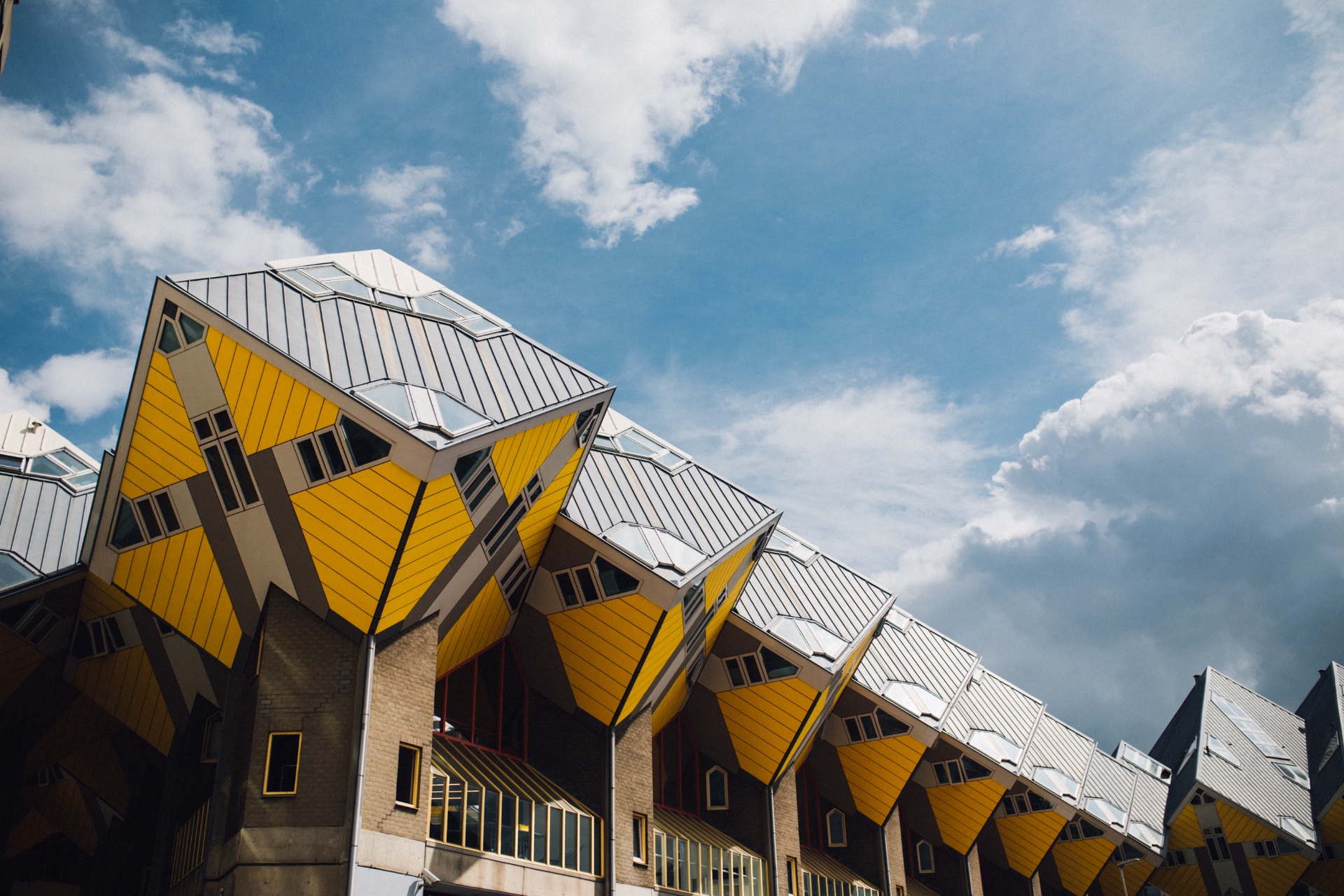
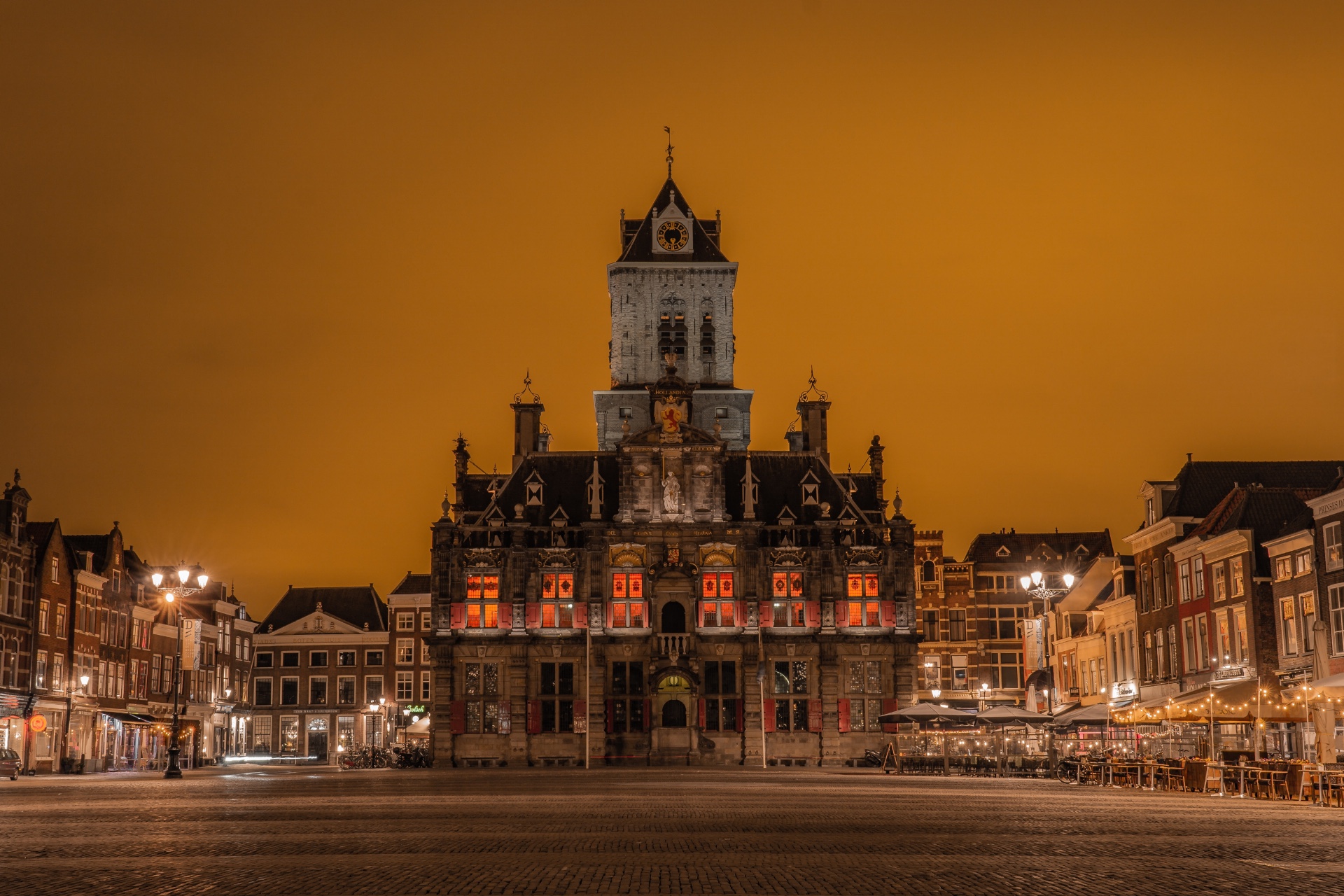
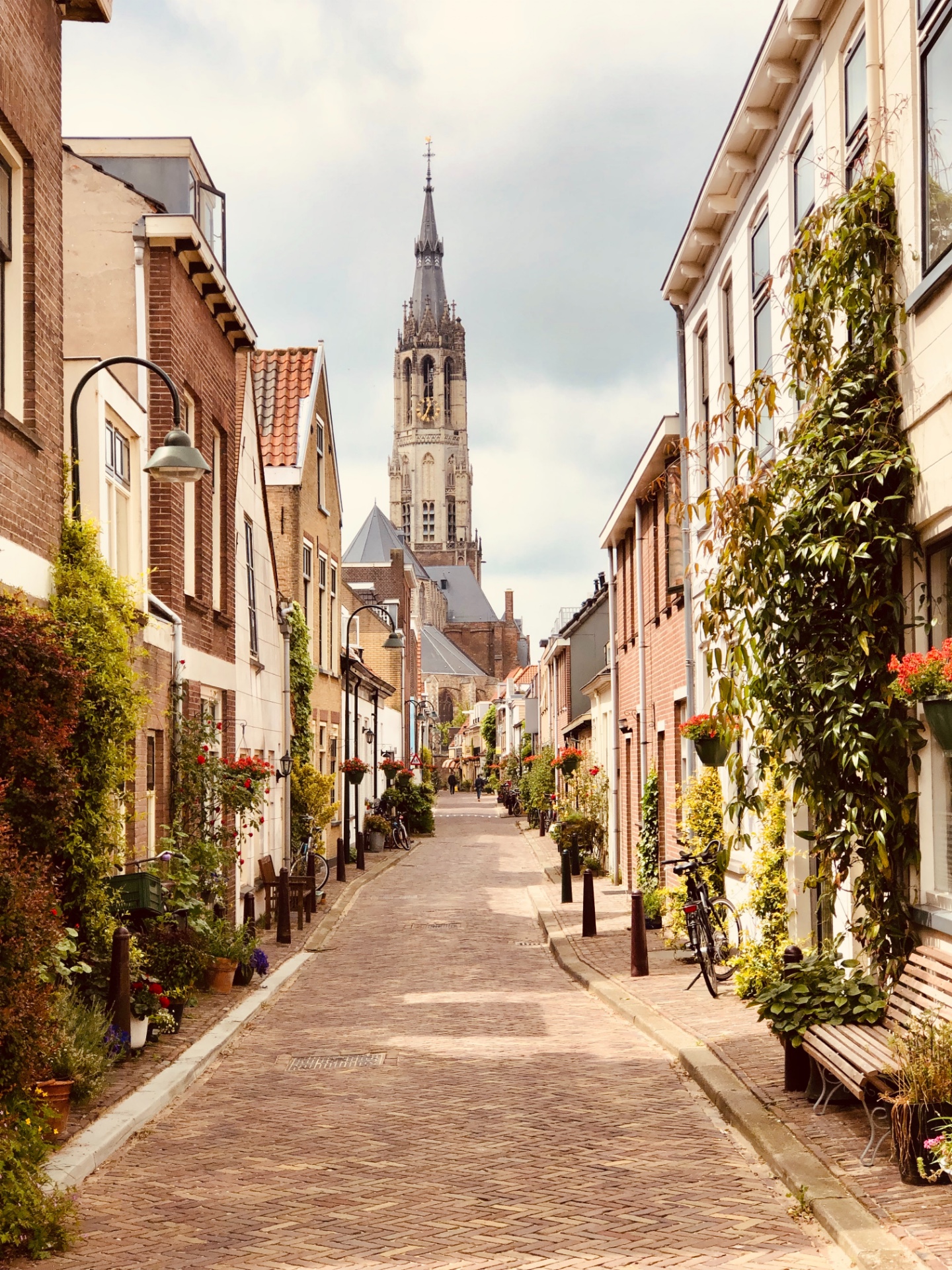
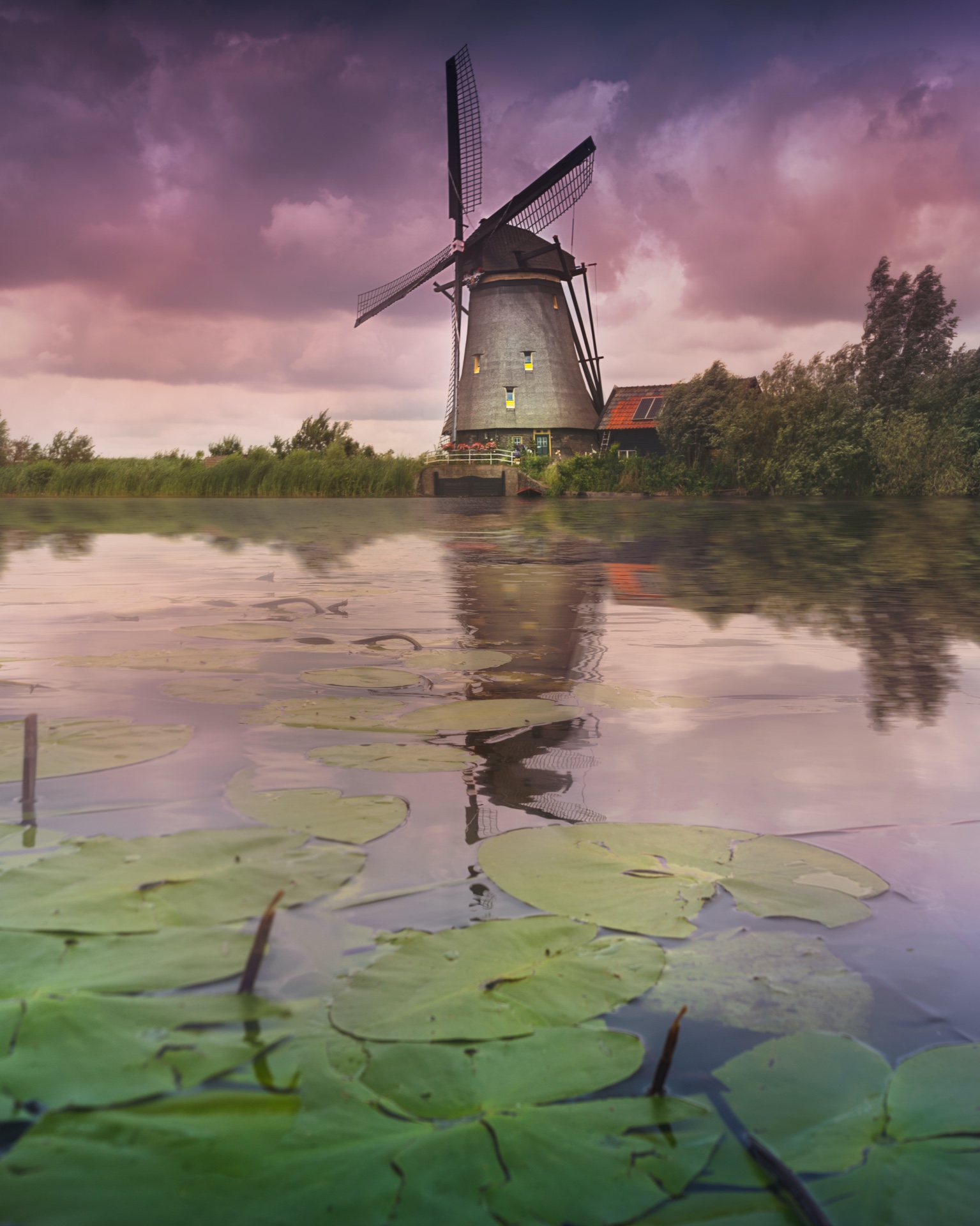
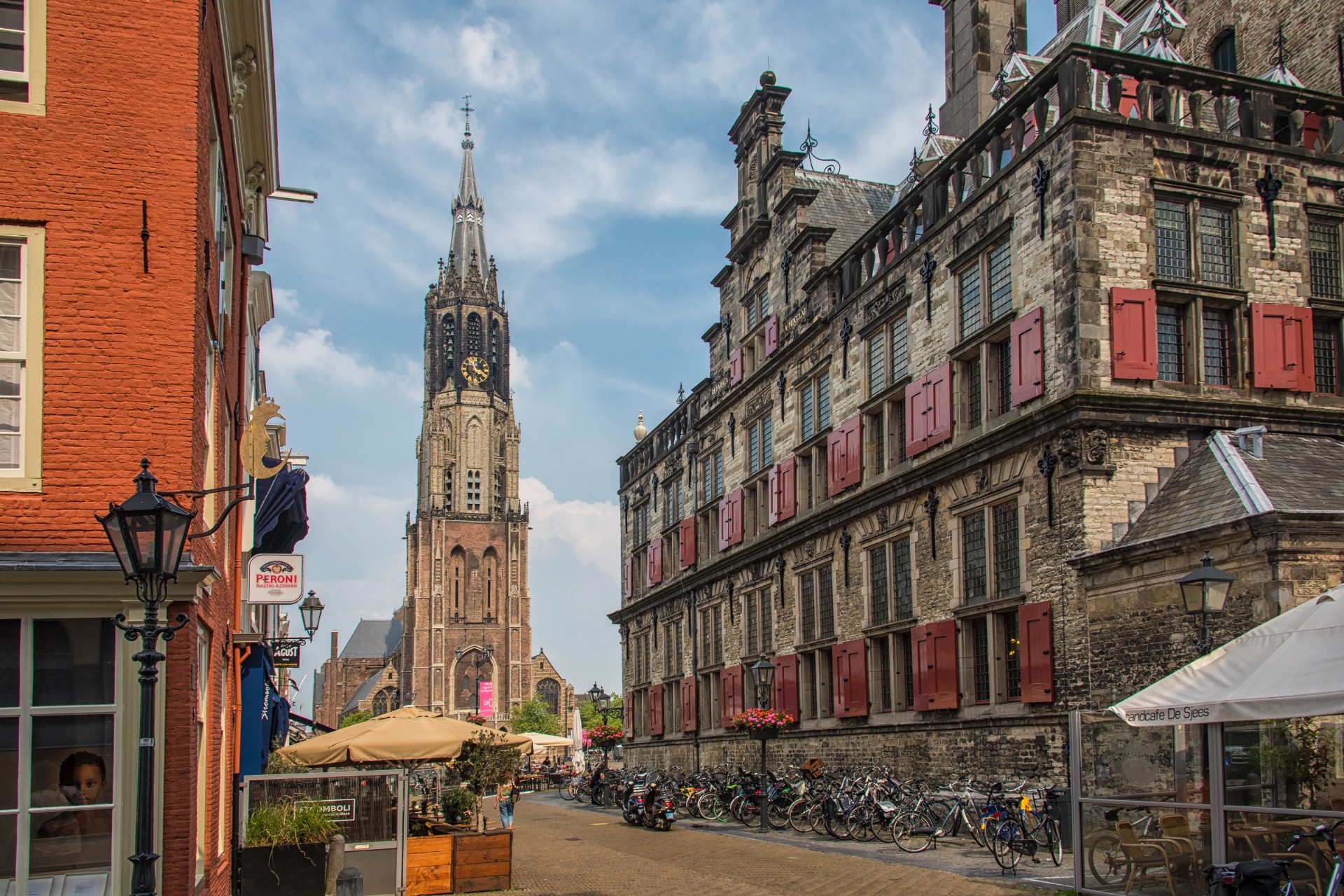
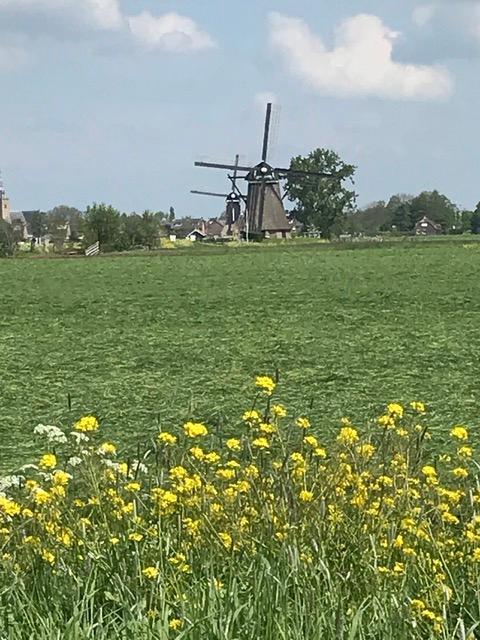
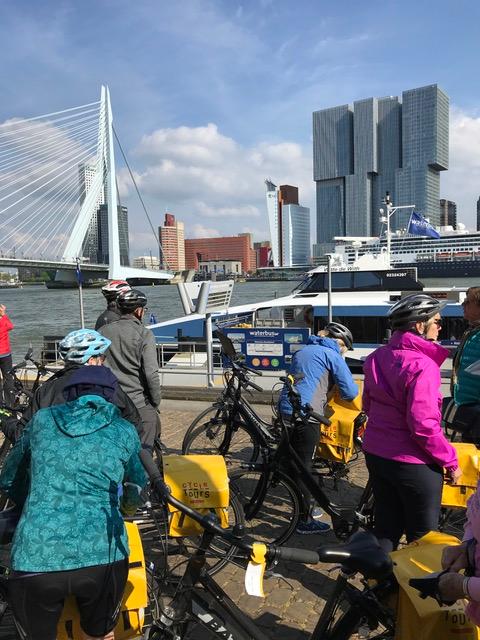
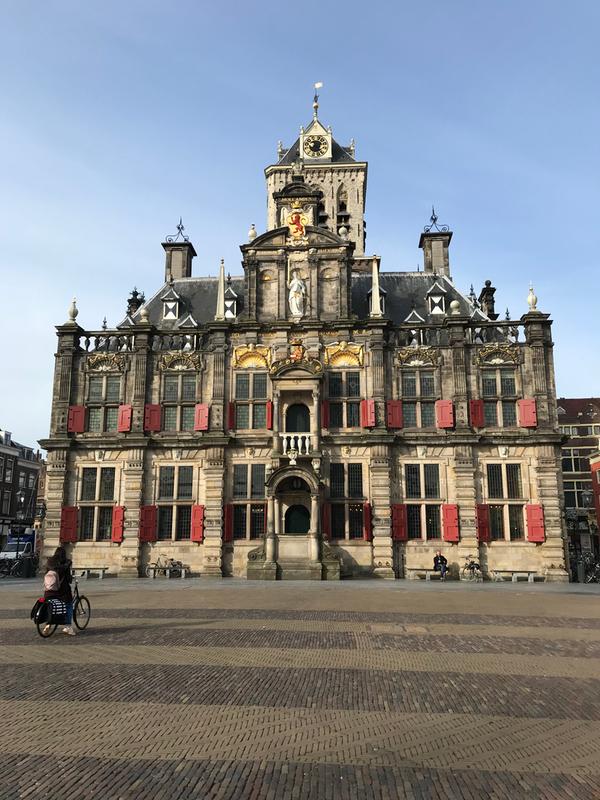
From Gouda you cycle over easy and quiet country roads, past scenic polders via Kinderdijk to Rotterdam. Kinderdijk has the largest group of windmills in the Netherlands. The windmills at Kinderdijk were still actively used until 1950. These days, a large pumping station is responsible for controlling the water level in the polder. Here you can visit a windmill from inside. This impressive piece of centuries old technique is still functional today.From Kinderdijk you take the ferry to Rotterdam, where your barge is waiting for you. In Rotterdam you embark and from there the barge takes you to Delft. Delft, the town famous for its pottery, the "Delft blue." The painter Johannes Vermeer has made the town famous, but it is also known as the town of William of Orange. William of Orange lies buried in the Nieuwe Kerk in Delft, the church where members of the House of Orange are still buried. An attraction in Delft is the Prinsenhof (Prince's Residence).
The Prinsenhof Museum is housed in the former St Agatha's monastery. In 1572 William of Orange chose the convent as one of his residences. It was from here that he led the revolt against the Spanish tyranny of Holland. He was murdered on the steps of the Prinsenhof on July 10, 1584, by Balthazar Gerards, a Spanish sympathizer. Two bullet holes in the wall of the stairs bear witness to this event.
Overnight near DelftDay 4: Delft – Katwijk – Leiden (22 miles or 30 miles/36 km or 48km)
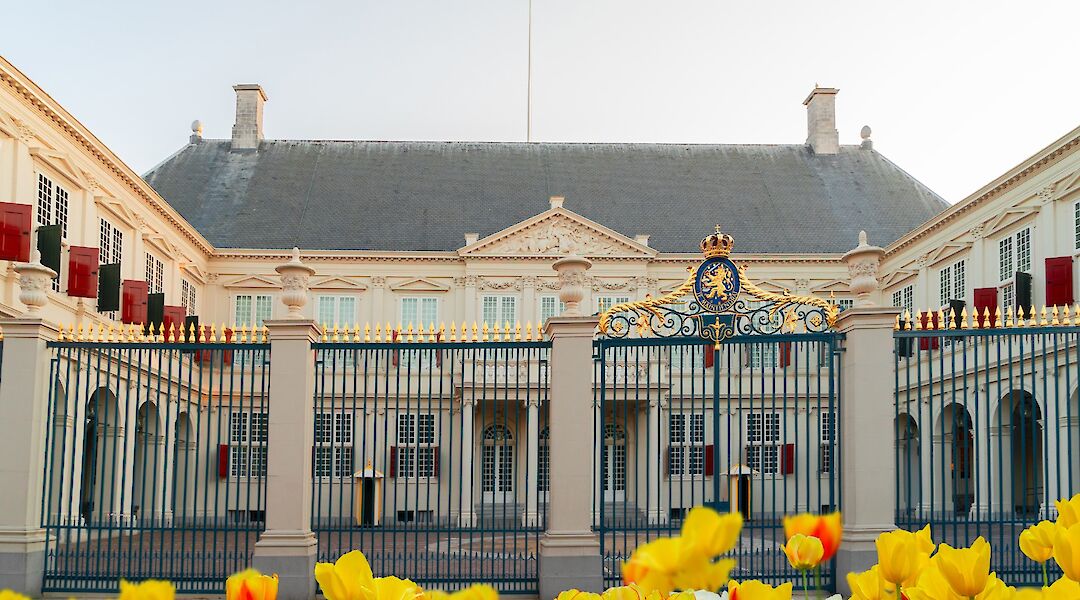
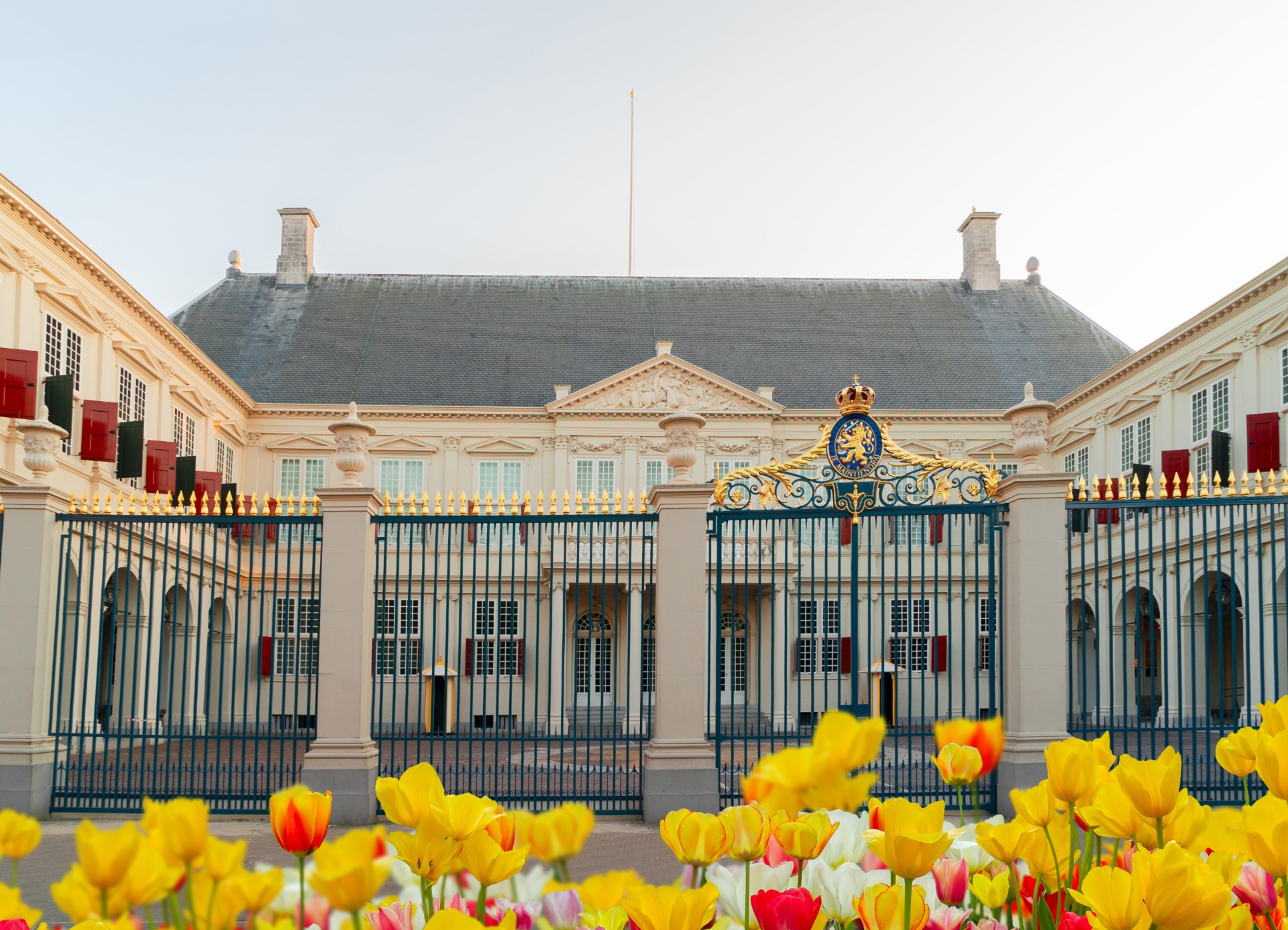
From Delft you cycle in the direction of The Hague, where you may visit the Binnenhof with the houses of parliament, the royal palace of of Noordeinde and the Vredespaleis (Peace Palace). You will continue through the Haagse Bosch, a large park, and past the other royal palace, Huis ten Bosch.A tranquil cycle path through the dunes leads you to Wassenaarse Slag. Here, some remains of the Atlantikwall can still be seen. Five bunkers are connected by nearly 3,000-foot-long brick tunnels. Now the underground network serves as a bat reserve. The Atlantikwall was a 1,700-mile defense line, running from Norway via Denmark, Germany, the Netherlands, Belgium and France to the border with Spain. This defense line, which was never completed, consisted of bunkers, canons and minefields. At some places the bunkers are still there, such as in Zandvoort, Scheveningen, Oostende (Belgium) and Normandy (France).
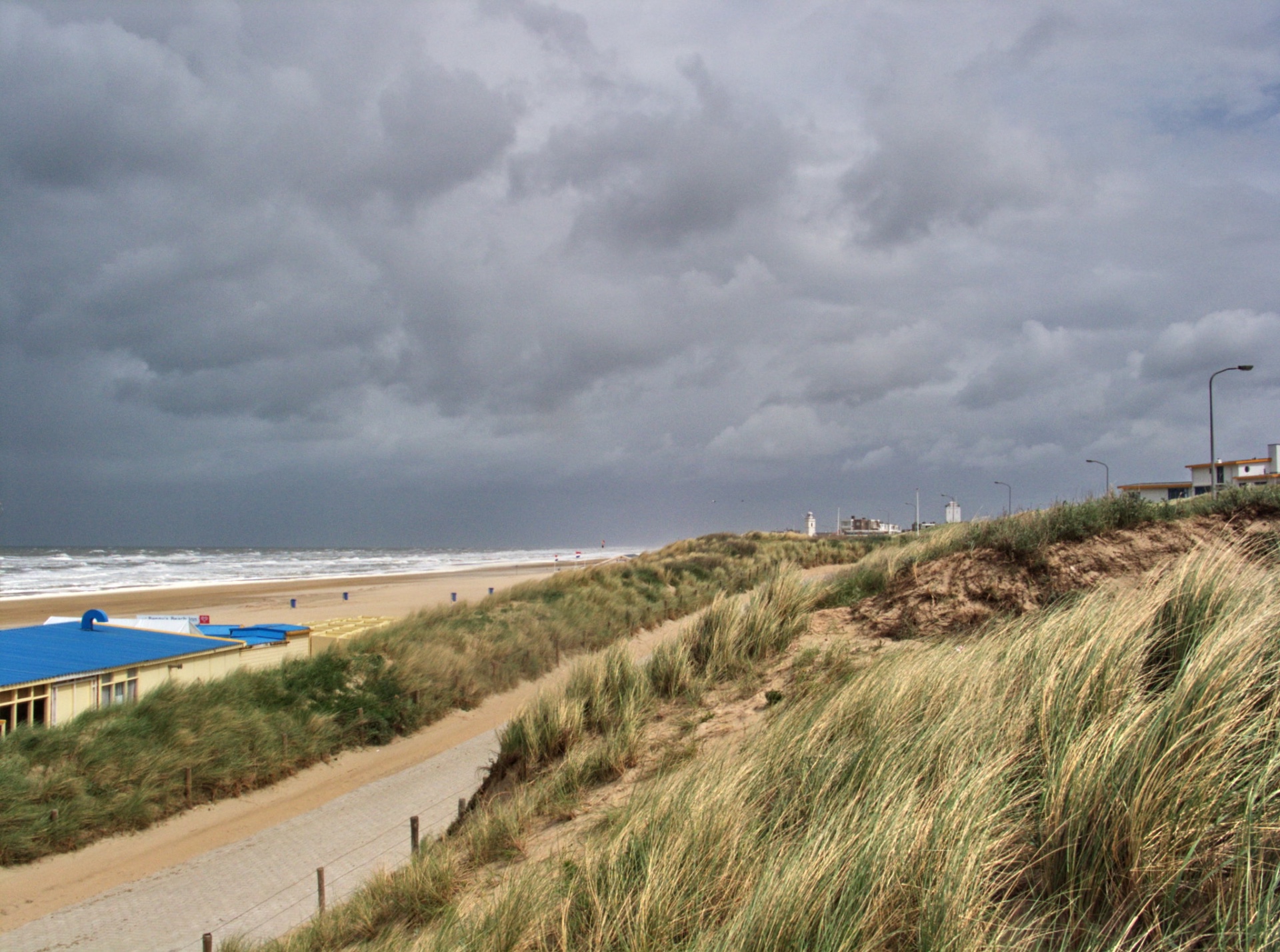
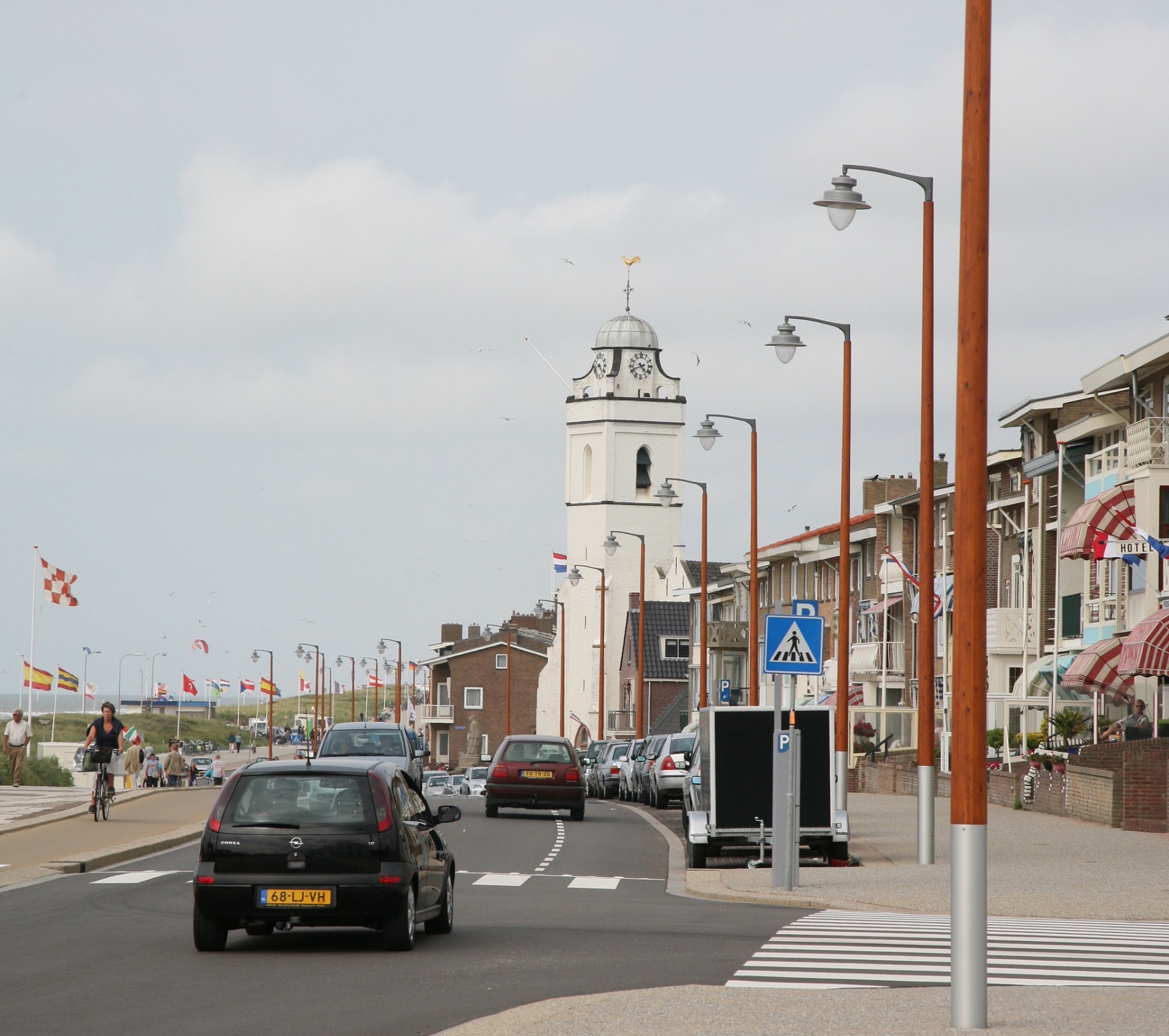
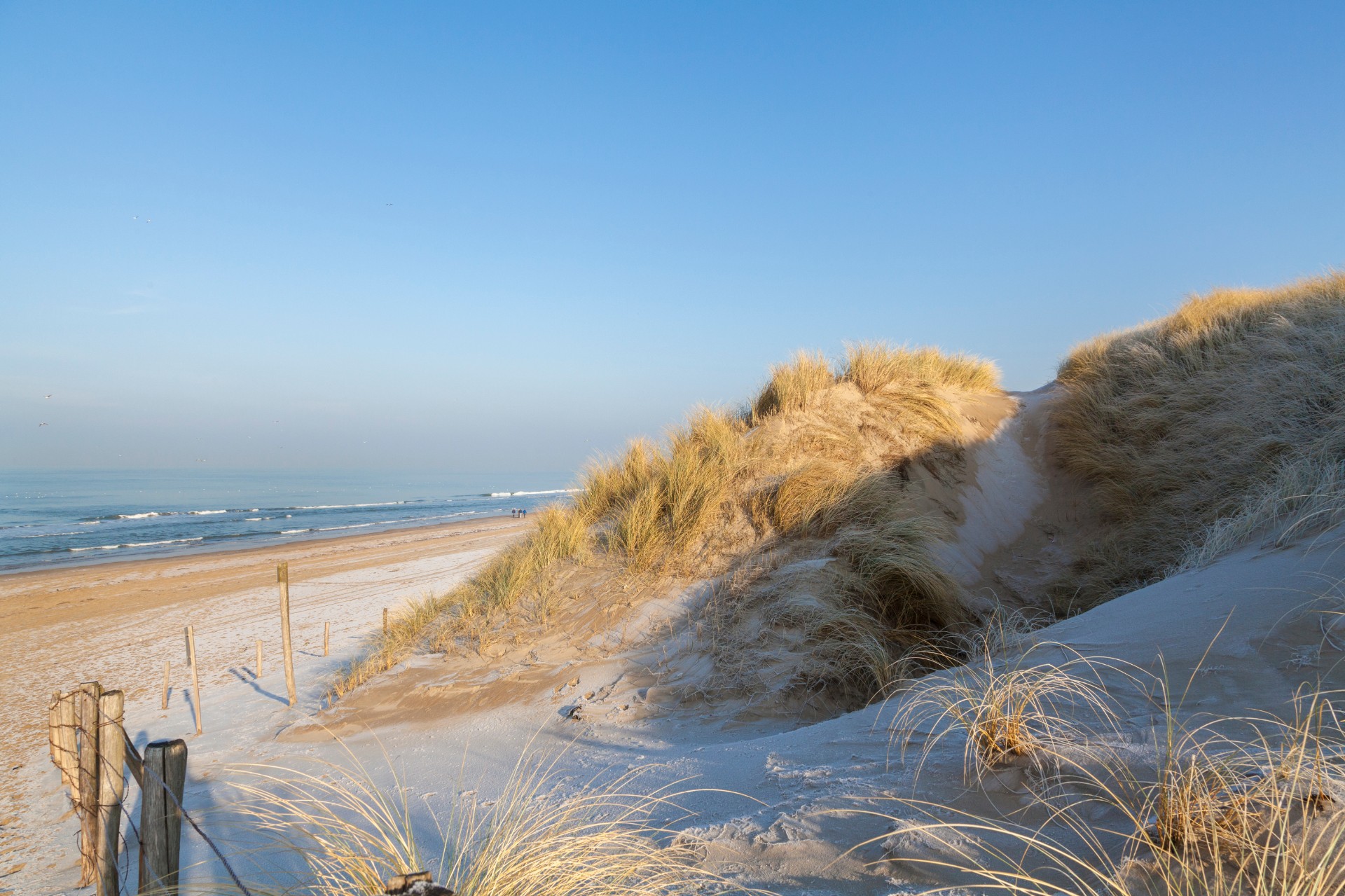
Continue through the dunes, to Katwijk aan Zee, an old fishing village. The old inhabitants of Katwijk still speak their own dialect, 'Kattuks'.
Following the course of the Oude Rijn (Old Rhine) river, you cycle on to Leiden. Leiden originated around 800 AD as a market place at the confluence of the Old and New Rhine rivers, the Vliet River and the Mare ("Leyten" means "at the waters"). For a long time it was considered to be the second city after Amsterdam. It was the center of the textile industry in medieval times. A well-known episode from the history of Leiden is the siege of 1574 by the Spanish. These were finally driven away after dikes had been broken through and a Watergeuzen (see Rotterdam) fleet had come to help. The relief of Leiden is still celebrated every year on October 3rd. In 1575 Leiden was given the right to establish a university as a reward for the courage shown during the siege. It is also the birthplace of Rembrandt (van Rijn!).
Leiden boasts 14 museums, including the Rijksmuseum for Anthropology with many priceless foreign objects, the Municipal Museum (Lakenhal, 1640) including works by Dou, Steen, Rembrandt and Van Goyen, the Rijksmuseum of Antiquities with Egyptian antiquities. The Hortus Botanicus (Botanical Garden), a 400-year-old garden with innumerable exotic plants and trees, is certainly worth seeing. In the centre of town you can go shopping or enjoy sitting on an outdoor terrace on the water's edge.
The ship is moored near the Zijlpoort, a gate that once formed part of the city walls. You have an option of a shorter route leading you inland after 'Huis den Bosch' and brings you along the recreational lake 'Vlietlanden' to Leiden.
Overnight near LeidenDay 5: Leiden – visit to Keukenhof by public transport
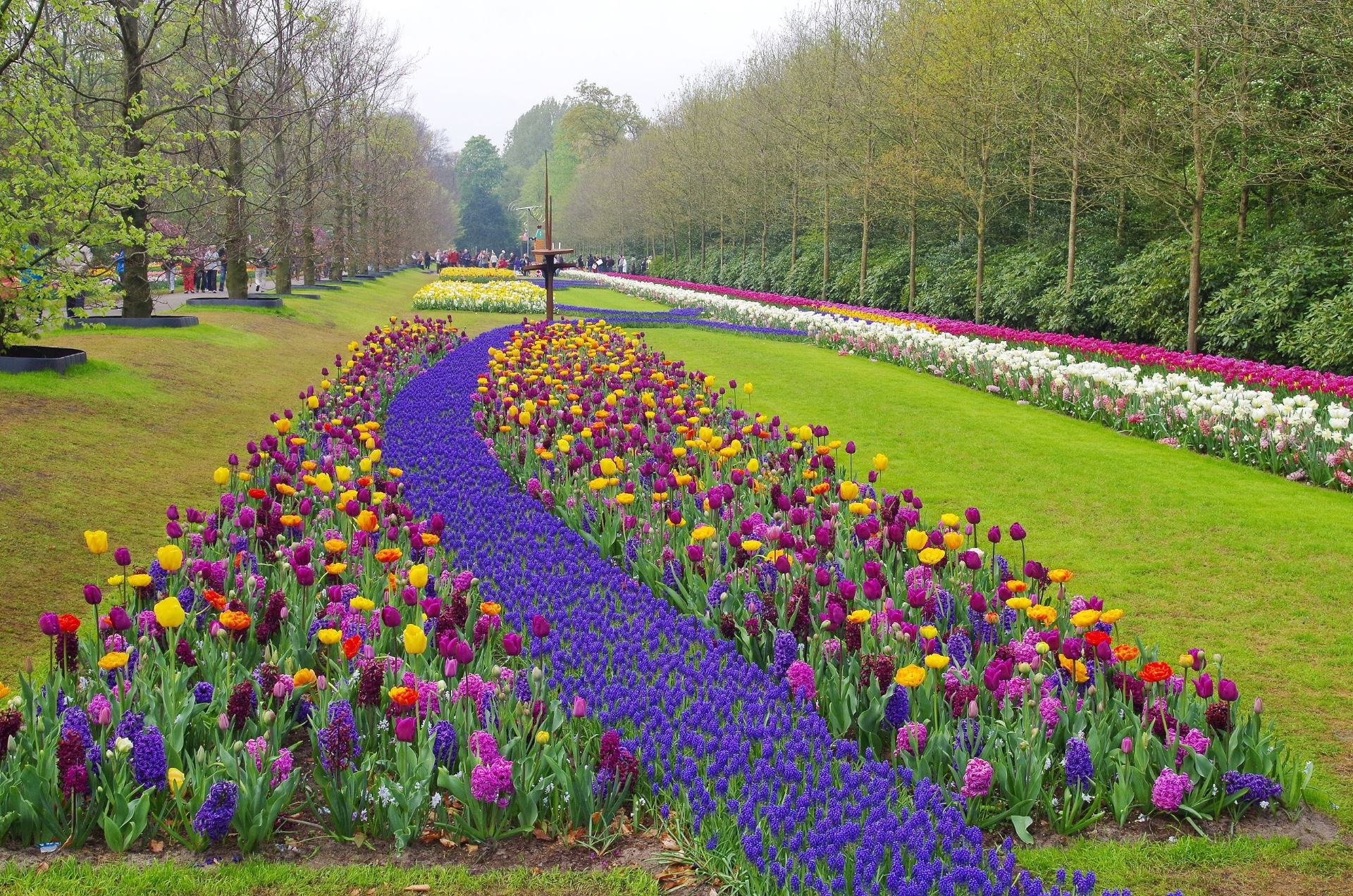
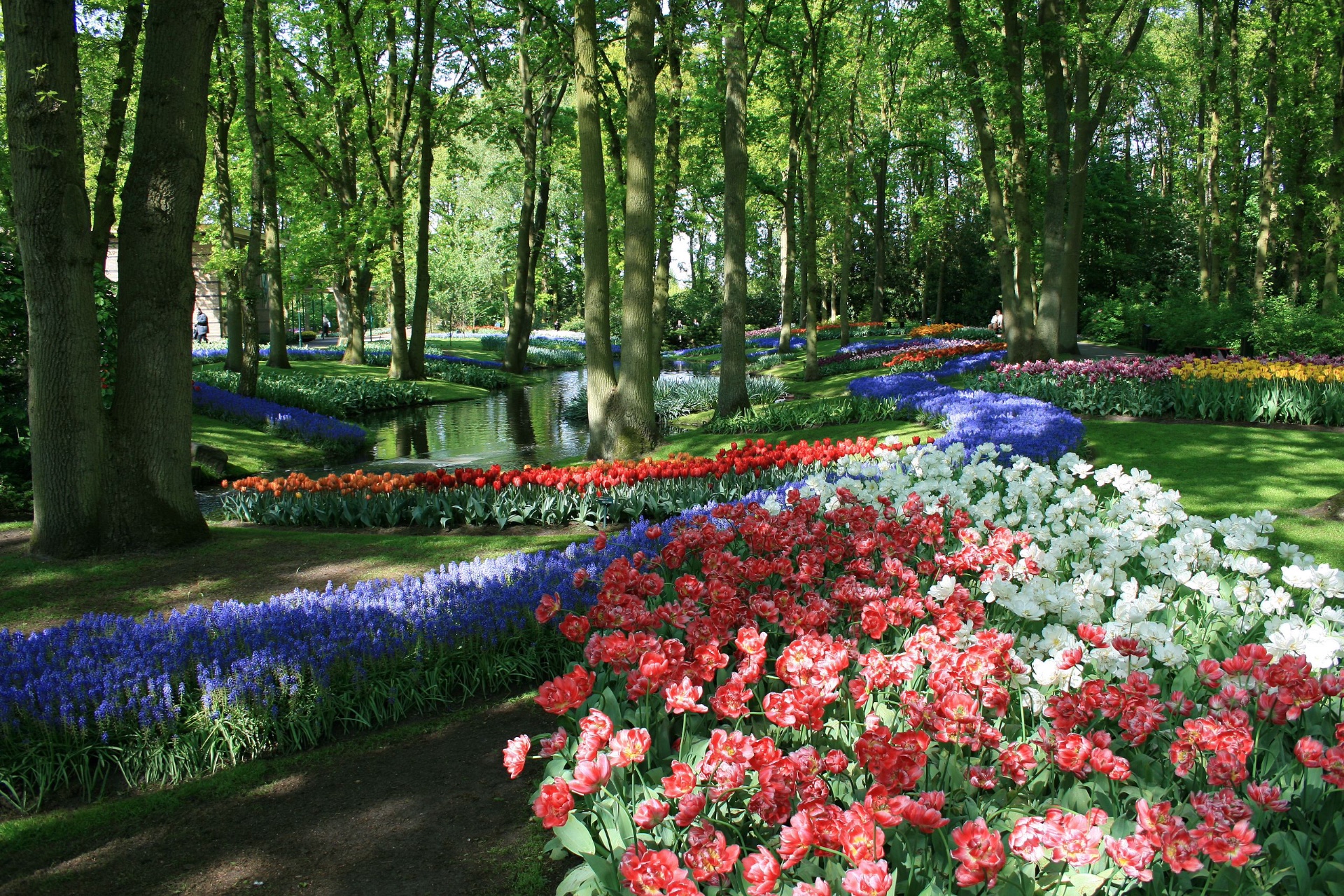
Today you visit the Keukenhof gardens, the most beautiful spring park in the world. An overwhelming blaze of colors from seven million flowering tulips, in a magnificent 80-acres' background of traditional and modern gardening architecture. The many blossoms, the flowering rhododendrons and azaleas are a feast to the eye.Keukenhof is the place where the spring breaks. In the Keukenhof, various gardens and gardening styles can be found: the English Landscape Garden, the Historical Garden, the Natural Garden, the Japanese Natural Garden, the Formal Garden and three special colors gardens. Spread throughout the entire park, there are approximately eighty sculptures from well-known Dutch artists. There are also several other art objects, such as the collection "Surprising Tulips."
Overnight near LeidenDay 6: Leiden – via the flower bulb fields to Haarlem (25 miles/40 km)
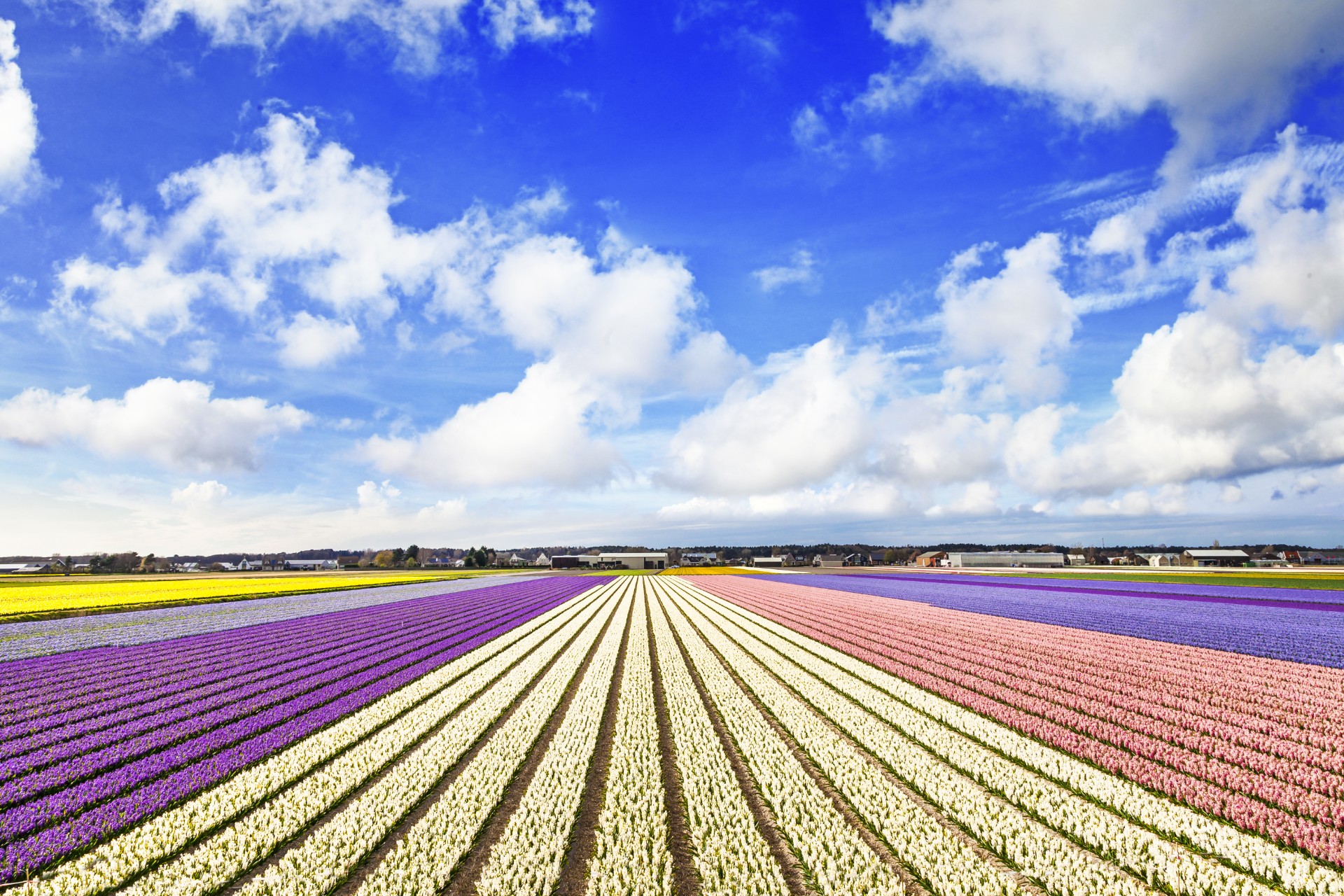
From Leiden, you cycle through wonderful flower beds in the direction of Haarlem. In the period of March to May, the bulb fields are blooming, starting with daffodils and followed by hyacinths, tulips and lilies- a sight so beautiful and full of color that it almost seems unreal.Once in the city of Haarlem, you make a short tour through the city to see some typical "hofjes" (almshouses), old houses around a central courtyard, now usually housing elderly people. These "hofjes" are definitely worth a visit.
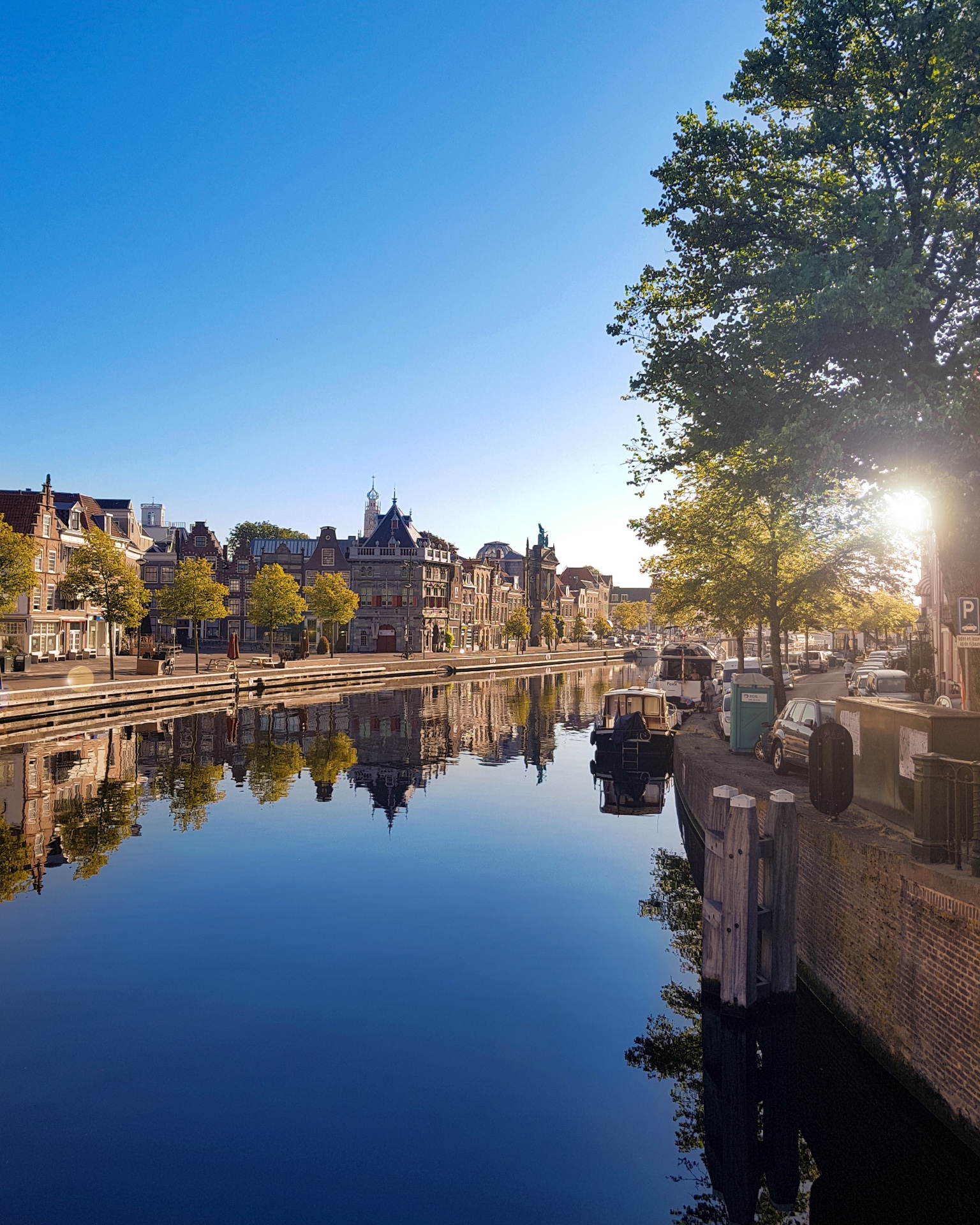
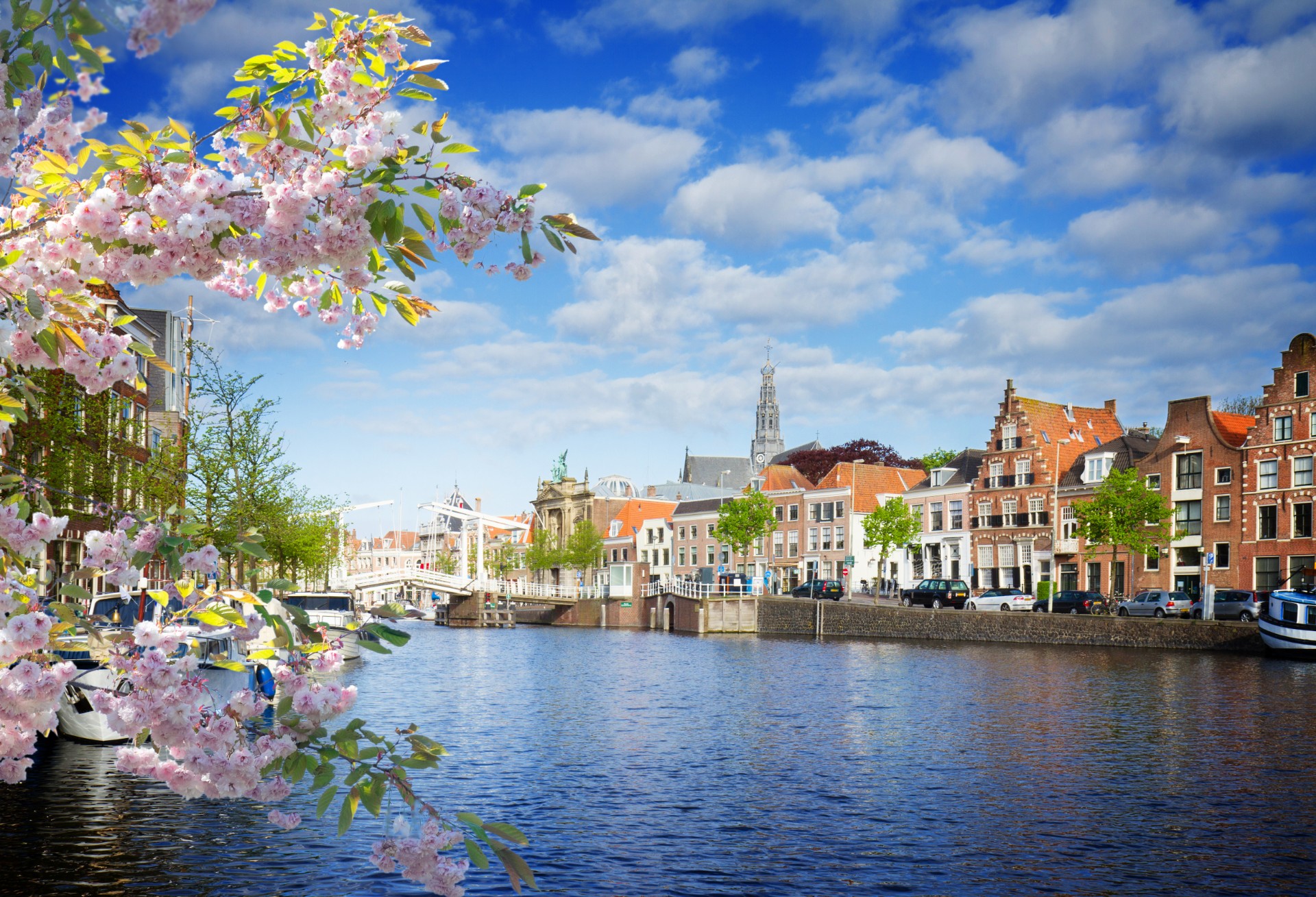
Haarlem, which rendered its name to Harlem, New York, is a lively city with good shopping possibilities. At the same time there are many interesting 17th-century sights here. In particular the Grote Markt (Market Square) with the Great or St Bavo's Church (1390-1520) is well-known. Mozart was only one of the many St Bavo's organ players. Other famous attractions are the Frans Hals Museum (with many 17th-century paintings), the Town Hall, the Weigh House and the Vleeshal (Meat Hall, branch of the Frans Hals Museum, also with many 17th-century Dutch masters). On the river Spaarne the oldest museum of the Netherlands can be found: Teyler's Museum, with drawings by Rembrandt, Michelangelo, Raphael and others.
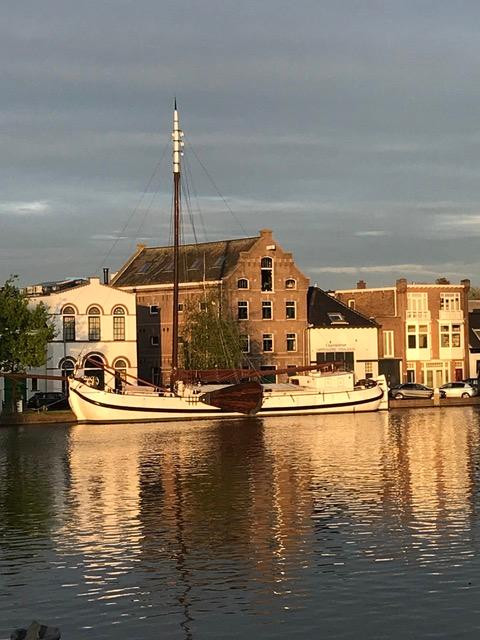
The ship is berthed in the city center, with a view of St Bavo's Church and with easy access to the Grote Markt with its many outdoor cafés. You will take a walk around the city with your tour guide after dinner.
Overnight near HaarlemDay 7: Haarlem – Amsterdam (25 miles/40 km)
From Haarlem you sail to Spaarndam, a picturesque village on the edge of Haarlem, in the direction of Amsterdam. Spaarndam’s name comes from the dam built in the Spaarne River to limit the danger of flooding from the sea. Here you can find the statue of Hansje Brinker on the IJdijk. Hansje is a character from an American novel, which saved the country from flooding by putting his finger in the dike.The Buitenhuizen ferry takes you across the North Sea Canal and from there you cycle to the Zaanse Schans.
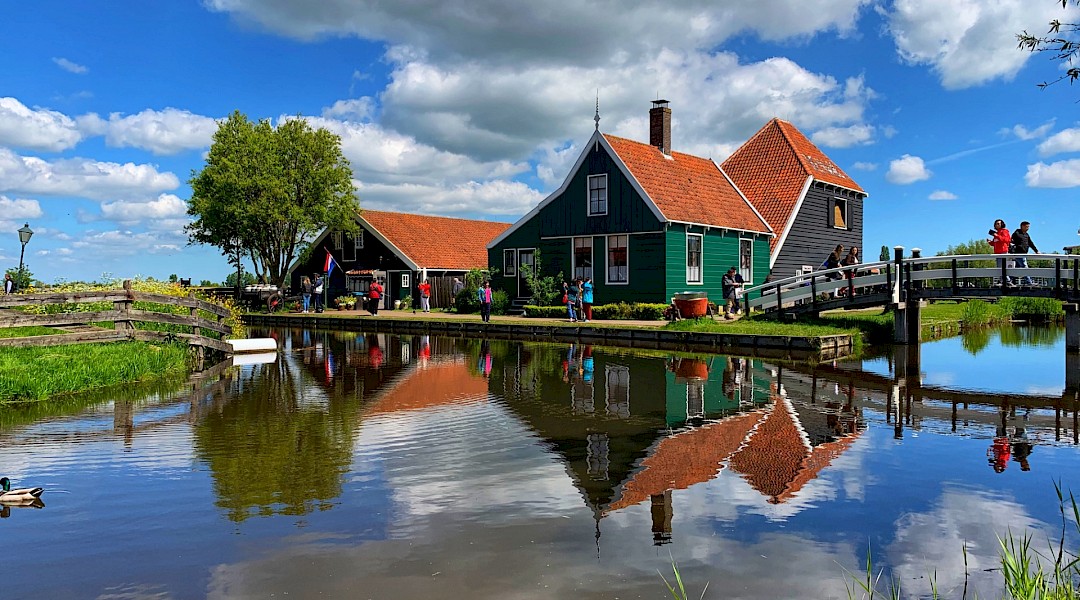
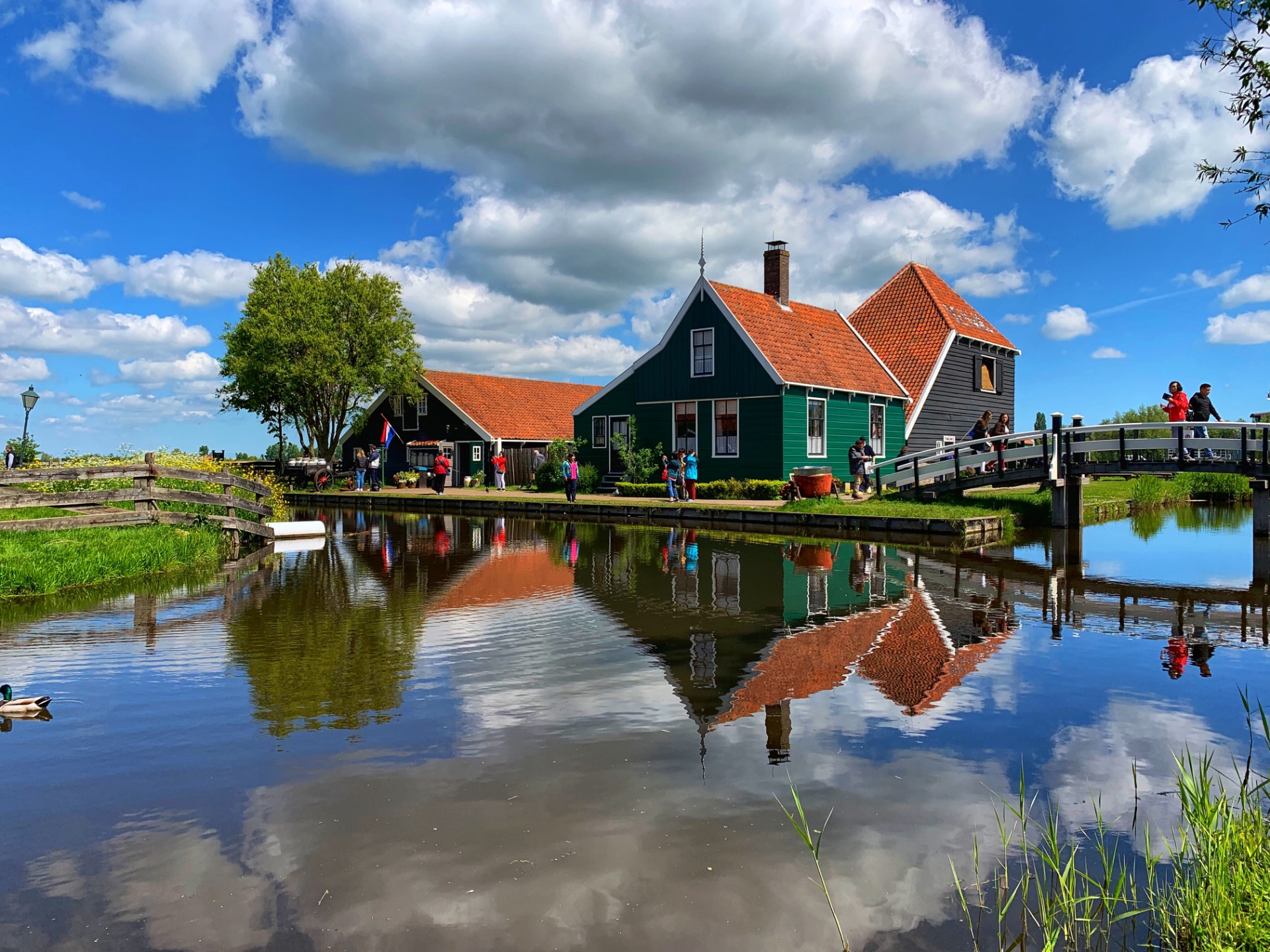
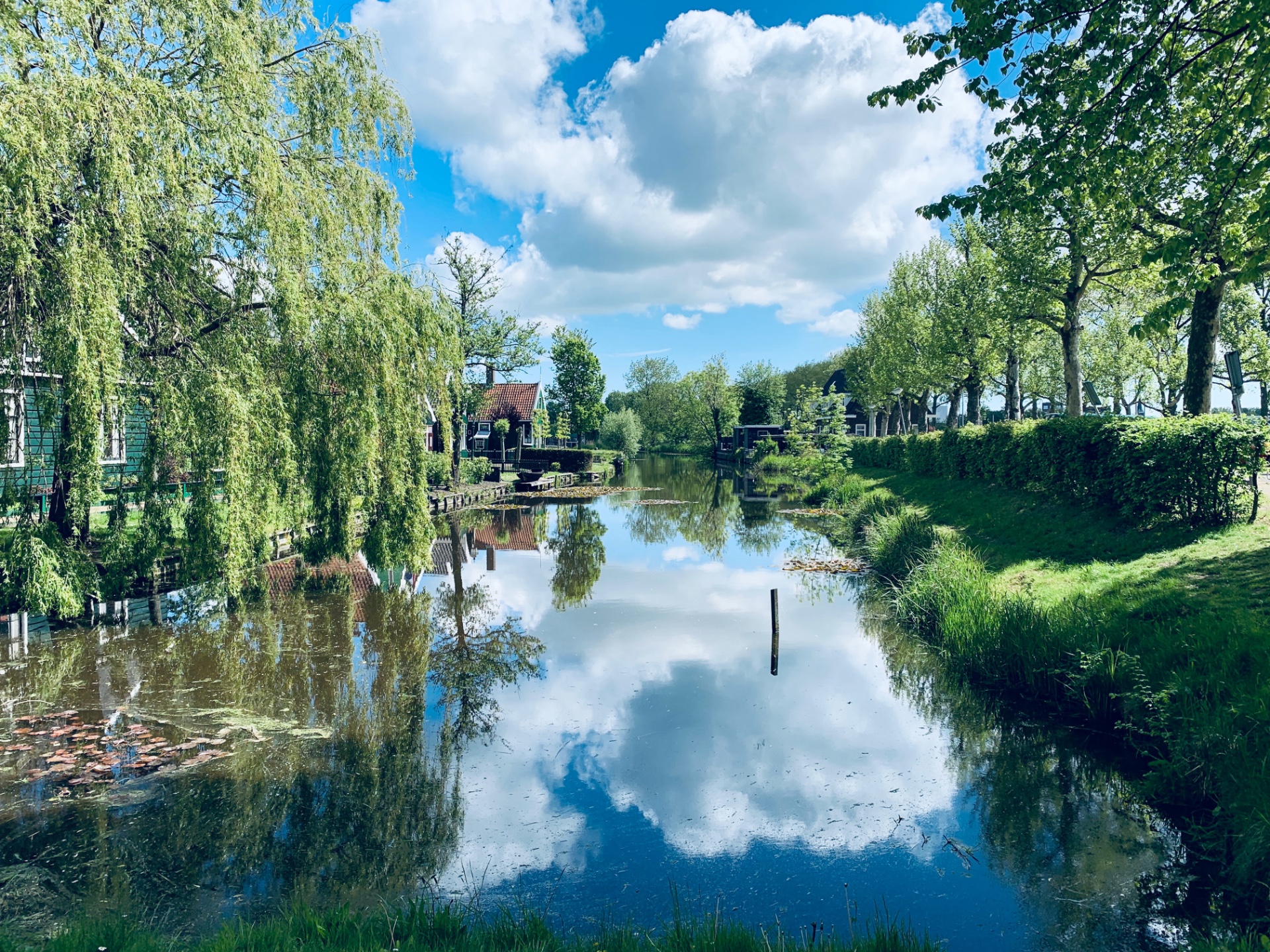
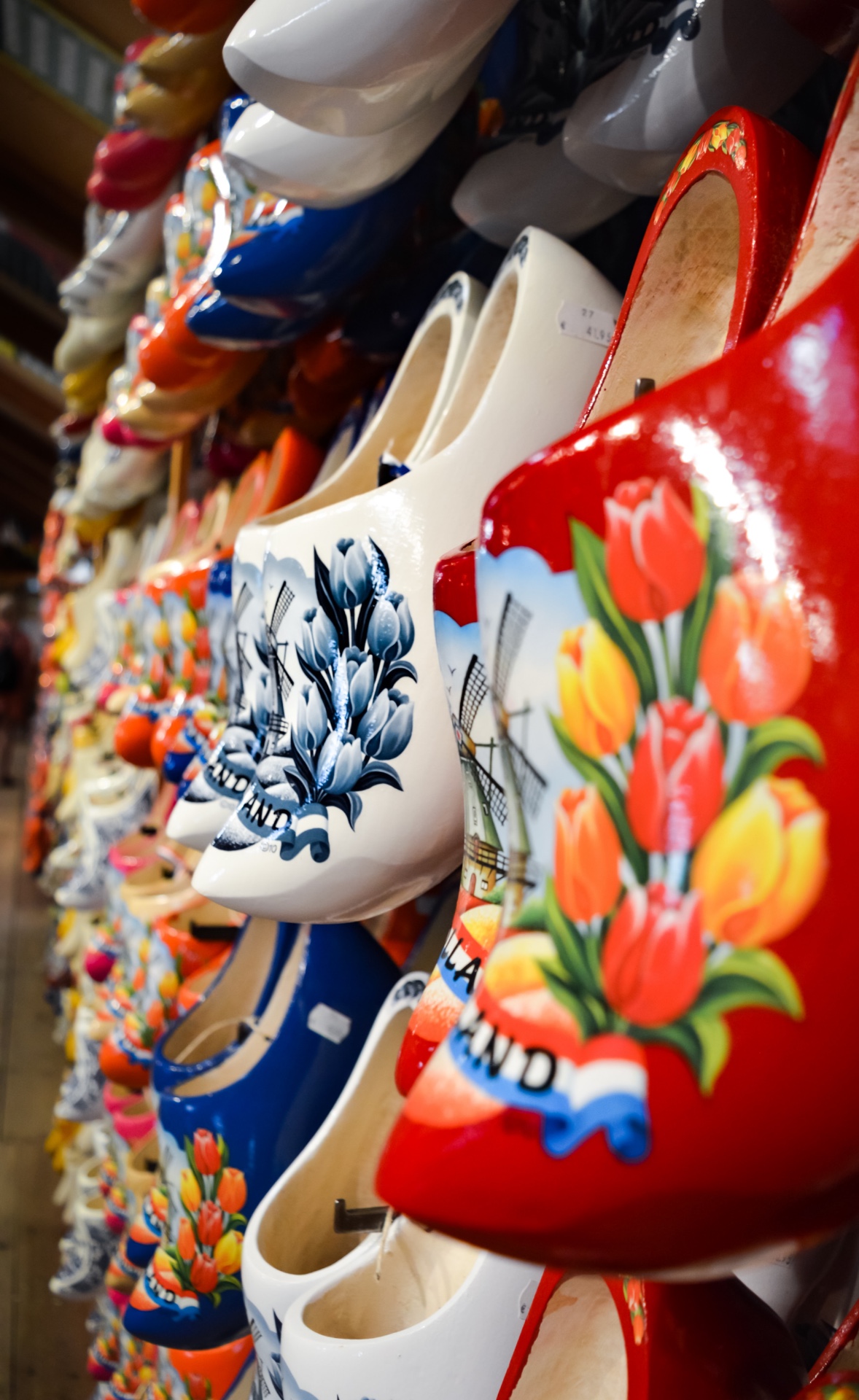
The Zaanse Schans, with its traditional weatherboard houses, warehouses and windmills may give you the feeling of stepping back into the 17th or 18th century. This is no open-air museum, however, but instead a lively neighborhood where people live and work. Amongst other things to see, there is a cheese farm, clog maker, and old bakery that can be visited here. You last leg of the trip will be a leisurely ride into Amsterdam.
Overnight near AmsterdamDay 8: Departure from Amsterdam
After breakfast the tour ends (disembarkation by 10:00am).Our partner reserves the right to cancel tours with fewer than 12 participants up to 21 days prior to the date of departure. This program is subject to change without notice due to weather, nautical reasons, technical issues and other unforeseen circumstances.
Surface and terrain
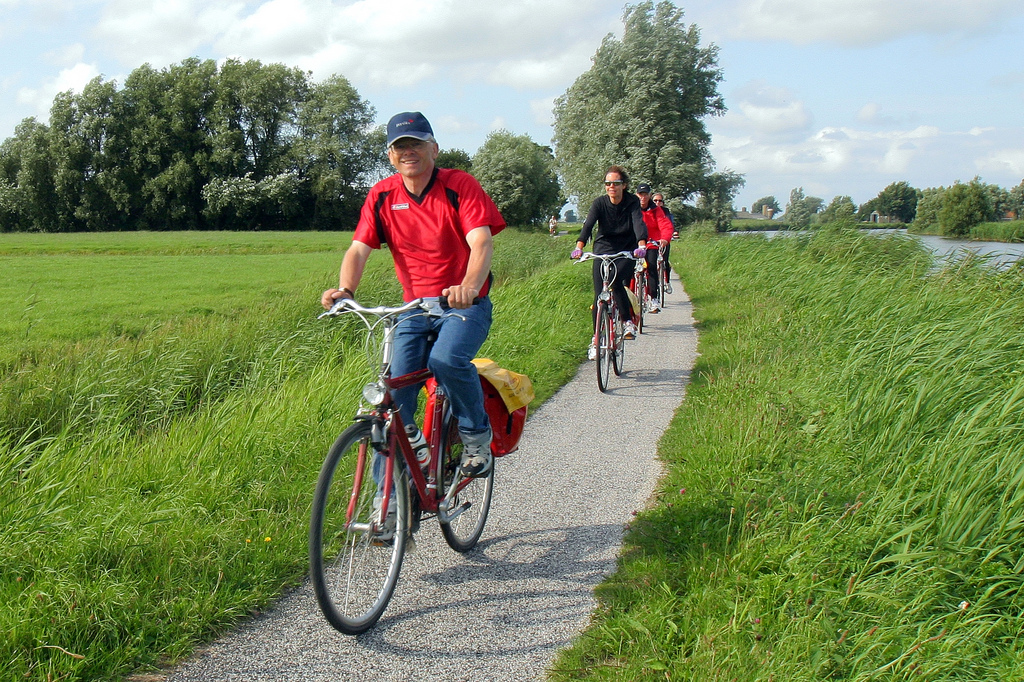
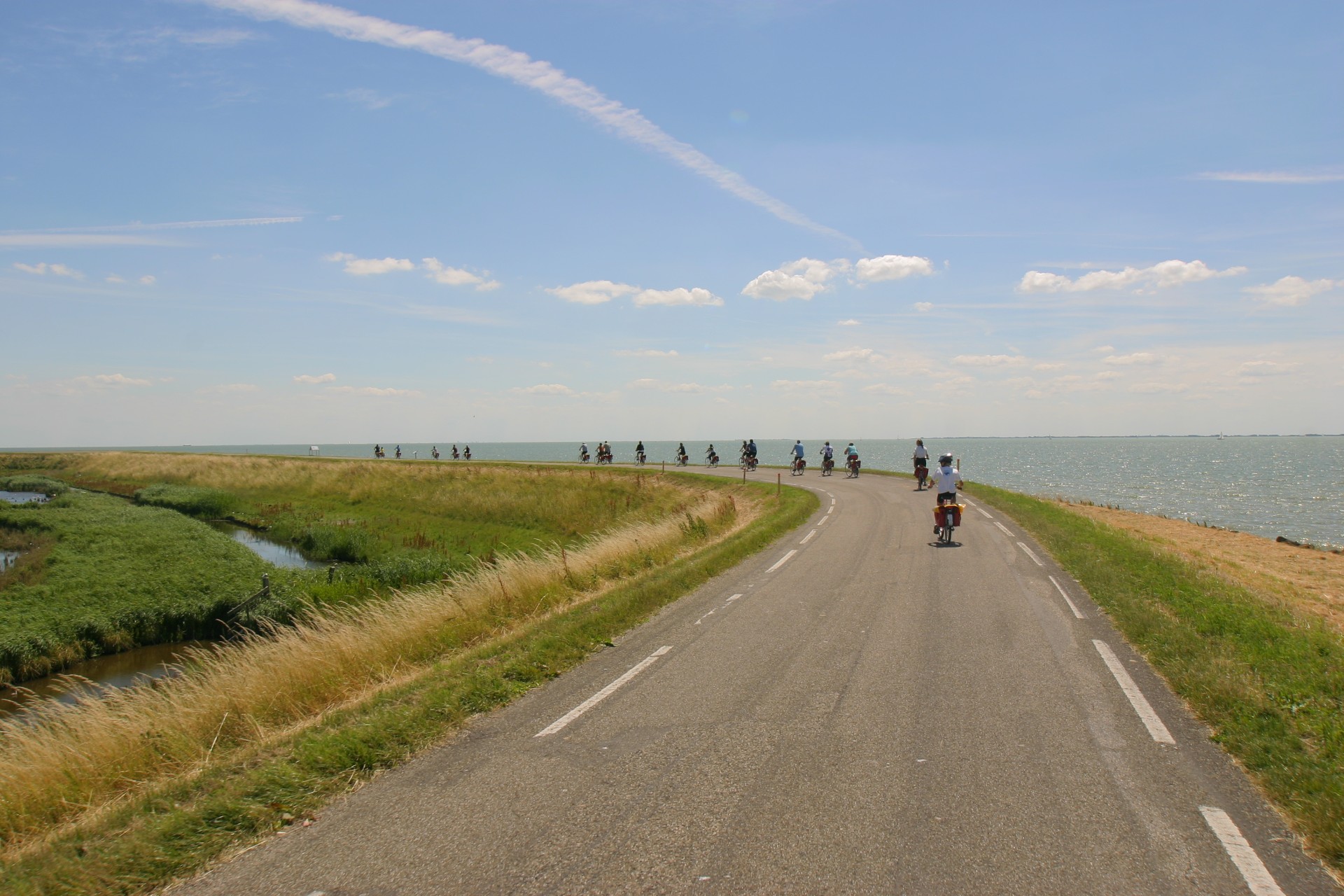
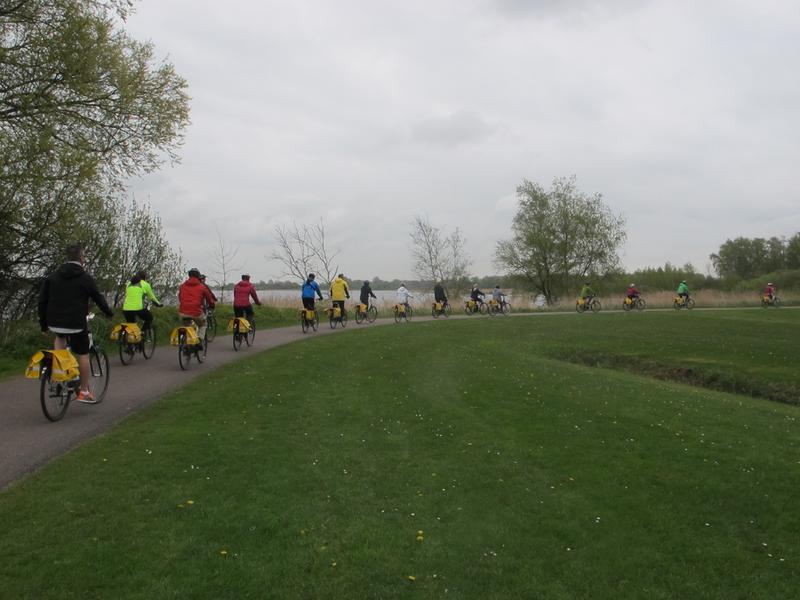
The tour has relaxed cycling, which follows a flat terrain route with occasional hills.
Boats
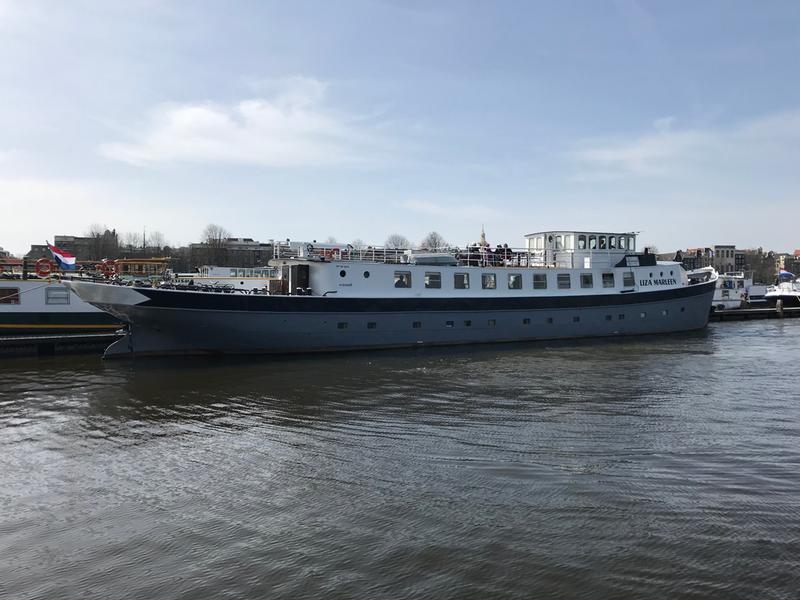
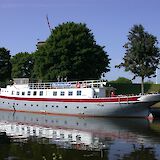
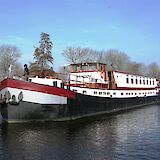
These barges are former working river vessels, converted specifically for this kind of passenger vacation. The barges comply with the strict safety regulations set forth by the Dutch Shipping Inspection Authorities. Do not expect a luxury cruise ship. The experience of the tour is built around guests being active cycling, and the layout of the barge supports a social environment in common spaces.
How to get there
Tour start and end:
Nearest airport: Amsterdam Schiphol (AMS)
Nearest train station: Amsterdam Central StationThere is a train that leaves 6 times per hour from Schiphol Airport to Amsterdam Central Station. It takes about 16 minutes and costs approximately €5 per person one way.
A taxi from Schiphol Amsterdam Airport to the barge takes about 30 minutes and costs about €45. A taxi from the Central Train Station in Amsterdam to the barge takes about 5 minutes and costs about €15.
The barge will be moored in Amsterdam at Oosterdok 2 near the Nemo Science Museum, about 15 minutes by foot from the train station.
You must arrive to the barge on Thursday NO LATER THAN 2:00pm.
Tips on getting to and from your tour
-
Dates
Anna Antal: Apr 4, 11*, 18*, 25*, 2024 (*indicates fully booked)
Liza Marleen: Apr 4; May 2*, 2024 (*indicates fully booked)
Wending: Apr 4*, 11*; May 2, 2024 (*indicates fully booked)Standard season: Apr 04, 2024 - April 11; May 2, 2024 - May 09, 2024
High season: Apr 11, 2024 - May 1, 2024Prices
Anna Antal
Per person, double occupancy Standard season High season Standard twin cabin €1354 €1480 Bunk bed cabin €1155 €1255 Single use, bunk bed (1 person/1 cabin) €1480 €1625 Liza Marleen
Per person, double occupancy Standard season High season Standard twin cabin €1485 €1625 Superior twin cabin €1715 €1855 Superior triple cabin €1365 €1490 Single use (1 person/1 cabin) €2125 €2340 Wending
Per person, double occupancy Standard season High season Standard twin cabin €1354 €1480 Triple cabin €1270 €1390 Single use (1 person/1 cabin) €1715 €1860 Bike Rentals
Standard touring bike €110 Electrically assisted bike €220 Children's Equipment Upon Request Additional Options
Gluten-free or vegan meals €75 Discounts*
Child, ages 0-2 sharing a room with at least 1 full paying adult (on base package price) 100% Child, ages 3-11 sharing a room with at least 1 full paying adult (on base package price) 30% Included services
- 7 nights on board (including linens and towels)
- Breakfast and dinner on board
- Lunch packages when on the road
- Coffee and tea on board
- Tour guide, cycles with group
- Minimum 3 city walks with tour guide
- Road book (1 per cabin)*
- Entrance fee Keukenhof, including public transportation
- Ferry fares on the route
- GPS tracks (upon request)
*The road book (1 per cabin) includes the detailed itinerary. Although the tour is guided, if you wish to cycle any of the days on your own, you may request the GPS tracks to assist you with navigation.
Please note that special dietary needs can be accommodated upon request. Extra fees may apply; gluten-free/Celiac/vegan/lactose-free meals are an additional €75 charge. When ordered upon arrival, the additional charge is €100 per person, to be paid on location. Please inform us of dietary requirements when booking your tour to avoid this increased fee, and ensure we can accommodate your specific needs.
Bike rentals
Bikes available to be rented (booked in advance at the time of booking) include:
- Standard touring bike, 24-speed
- Electrically assisted bike, 24-speed, detachable lithium-Ion battery, unisex*
- Children's bike
- Child seats (rear of bike)
- Tagalong bike
*More about electrically-assisted bikes >
All above bike rentals will be equipped with the following at no additional charge:
- Pannier bag
- Lock
- Water bottle
- Helmet
Bike Protection:
Bike protection can be purchased at the time of booking. You can read more about that HERE.Pedals:
The bikes will have flat pedals. If you want to bring your own pedals, please bring your own shoes and also the necessary equipment to change the pedals.Helmets:
Helmets are included with your bike rental. For safety and hygiene purposes, we recommend you bring your own or plan to purchase one upon arrival.More information about the electrically assisted bike
Your electrically assisted bike has 24 gears, an integrated battery, pannier bags, a good lock, and water bottle. We draw your attention to the fact that you will be held responsible for damage to or theft of the bike, as long as the bike is not on board. (The E-bike has a value of more than € 2000). Never leave it unattended. Always lock it and fasten it to a fixed object, and don’t forget to remove the information panel from your steering wheel. If you didn't arrange cycle insurance when booking you can do this on board (the first day). Payment for insurance is required in cash at arrival.
-
Route Map
Maps are for information purposes only and reflect typical routes between overnight locations. They may not reflect your actual route.
-
Reviews
-
★★★★★ Vikki Canfield August 9, 2022
A fun tour
This was a perfect tour to see Holland in spring with bicycling at a relaxed pace.
- What was the date of your tour?
- April 2022
- How many tours have you completed?
- 4
- Difficulty (actual vs. expected)?
- As expected
- Who is this tour suitable for?
- First-time bike tourists, Solo travelers
- Do you recommend this tour?
- Yes
-
★★★★★ Arthur Eddy August 2, 2022
Very interesting and pleasant trip
Great trails, very neat clean and competent country.
- What was the date of your tour?
- April 2022
- How many tours have you completed?
- four
- Difficulty (actual vs. expected)?
- Somewhat easier
- Who is this tour suitable for?
- First-time bike tourists
- Do you recommend this tour?
- Yes
-
★★★★★ Deb1505 May 16, 2019
Bucket list tour
A delightful way to experience the Netherlands and see beautiful flowers along the way. We learned some of the history, architecture, and customs of the Dutch and enjoyed meeting the people. We visited a windmill that has been steadily making paper since the 17th century! Our barge crew was terrific! Great food and friendly conversations. The bikes were in great condition and had been carefully fitted to our measurements before we arrived so we could get right to the riding.
- What was the date of your tour?
- April 27- May 4, 2019
- How many tours have you completed?
- This was my first
- Difficulty (actual vs. expected)?
- Somewhat easier
- Who is this tour suitable for?
- Solo travelers, First-time bike tourists, Families with teens
- Do you recommend this tour?
- Yes
-
★★★★★ PaulB May 3, 2019
Great way to experience the Netherlands
Great way to experience Netherlands, especially when flowers are in bloom. The Sailing Home boat was comfortable. Loved lounge, dining rm, large windows to see world go by, and great space to socialize with fellow tour mates. Cook was very good (Eline) and quality of cooking pleasantly unexpected. 4 in our group; all rented electric bikes. Came in handy on dunes, and wind last two days. E-bikes were heavy though and difficult to start/stop, balance, for one lady in our party who rides very little and is small. She was glad to have though. Physical demands of tour were pretty low, intensity of riding in cities quite high. One in our party abandoned riding after first day. She did have an absolutely great time sailing with barge, exploring each city where the barge stopped, and socializing with fellow travelers in the evenings. Keukenhof Gardens were phenomenal, but very very crowded upon entry. Much less crowded at back of park. All in our party were very glad we went! Map book provided at beginning of tour, daily briefings each evening, but no daily maps. As the daily routes could change due to where the barge could dock, no daily maps was a complaint from some. Another common complaint was that there was only one guide for 26 riders. Not a problem at all when riding through countryside, but quite a challenge in the cities with the short traffic lights and heavy congestion. Overall, good tour for all in our group.
- What was the date of your tour?
- April 2019
- How many tours have you completed?
- 10
- Difficulty (actual vs. expected)?
- Somewhat harder
- Who is this tour suitable for?
- Solo travelers
- Do you recommend this tour?
- Yes
-
★★★★★ Keliz428 May 5, 2018
I have nothing but positive happy memories of our bike tour. Bert, our guide clearly is proud of his country and did a beautiful job showing it off. The crew on the Liza Marleen were exceptional. The group of riders were fun to be around. This was the best trip ever!
- What was the date of your tour?
- 4/7/18
- How many tours have you completed?
- 2
- Difficulty (actual vs. expected)?
- As expected
- Who is this tour suitable for?
- Solo travelers, First-time bike tourists, Families with young kids, Families with teens
- Do you recommend this tour?
- Yes
-
★★★★★ Patti_ME April 29, 2018
A great trip!
The boat, the bike, the guide, captain, cook, crew and other riders were the BEST!
- What was the date of your tour?
- April 7, 2018
- How many tours have you completed?
- 1
- Difficulty (actual vs. expected)?
- As expected
- Who is this tour suitable for?
- Solo travelers, First-time bike tourists, Families with young kids, Families with teens
- Do you recommend this tour?
- Yes
-
★★★★★ Glen June 8, 2017
Tulip and Windmill Barge Tour
This was my third bike trip with Bike Tours.Com., but my first guided tour. Sietse, was an excellent guide, who kept us on a schedule but allowed us time to see things, gave us adequate coffee and lunch breaks. He always told us much information about each place as well as a voluntary walk at night in each town that we docked at, one does not get that on an unguided tour. Our chef, Nicole, was excellent, who I appreciated being on a gluten-free diet. The meals were healthy as well as delicious. The biking trip had very good trails with lots of canals and wildlife as well as windmills and of course the beautiful tulips, tulips, and tulips!
- What was the date of your tour?
- May 6-13
- How many tours have you completed?
- 3
- Difficulty (actual vs. expected)?
- As expected
- Who is this tour suitable for?
- Solo travelers, First-time bike tourists, Families with young kids, Families with teens
- Do you recommend this tour?
- Yes
-
★★★★★ Debbi April 28, 2017
Tulips--Bike and Barge
We had a fabulous time. Great food, scenery, guide and fellow travelers. The only complaint was weather related--COLD! Not the fault of anyone but the weather gods.
- What was the date of your tour?
- 4/15/17
- How many tours have you completed?
- 10
- Difficulty (actual vs. expected)?
- Much easier
- Who is this tour suitable for?
- Solo travelers, First-time bike tourists
- Do you recommend this tour?
- Yes
-
★★★★★ Shari April 27, 2017
Tulip Tour... beautiful
Beautiful scenery. Great guide. Good food. Nice sturdy bikes. Great crew.
I wish the coffee was better, and croissants in the morning would be nice.- What was the date of your tour?
- 15 April to 22 April
- How many tours have you completed?
- 3
- Difficulty (actual vs. expected)?
- Somewhat easier
- Who is this tour suitable for?
- First-time bike tourists
- Do you recommend this tour?
- Yes
-
★★★★★ KarylC April 27, 2017
Tremendous Tulip Tour!
My husband and I enjoyed this tour beyond measure! The room on the barge, tho tiny, was functional and cozy. Our guide Burt was super cool and knowledgeable of the area. There was 26 riders, so perhaps a second guide would have been helpful, but it worked just fine with one. The scenery was unbelieveable and we LOVED seeing the tulips and riding through the bucolic countryside. Be sure to dress warm! My favorite pull was through the Dunes, otherworldly habitat for Holland. Every meal on the barge was delicious and the staff was friendly and helpful. If you like riding bikes and appreciate flowers, gardens, and bird life you will love this tour!
- What was the date of your tour?
- April 15
- How many tours have you completed?
- 2
- Difficulty (actual vs. expected)?
- Somewhat easier
- Who is this tour suitable for?
- Solo travelers, First-time bike tourists
- Do you recommend this tour?
- Yes
-





Related Bike Tours


Hop aboard the majestic Merlijn for a journey from the world-renowned city of Amsterdam onward to Cologne, revered for the stunning High Gothic architecture, most notable of which is the twin spires of the Dom (Cologne Cathedral). Spend several days… More


Immerse yourself in the Tulips this spring and fully enjoy Holland and Belgium on this 8-night tour! This bike and boat tour features all of the favorites: Amsterdam, Holland's bustling capital, Bruges, the artistic gem of Belgium, and of course lots and… More
Combine a sustainable cruise with lovely guided e-biking and cultural excursions, featuring the best cycling in Northern Europe. On your electric bike, you pedal along the northern Rhine and Meuse Rivers in three countries: Germany, the Netherlands, and… More
Related Day Tours
Embark on a remarkable Amsterdam countryside bike tour and delve into the authentic Dutch experience! This captivating compact tour will take you along the IJ Boulevard, on a ferry to Noord, along the North Holland Canal past the Admiral windmill, and… More
Embark on a remarkable Amsterdam countryside e-bike tour and delve into the authentic Dutch experience! This captivating extended journey will take you along the IJ Boulevard, on a ferry to Noord, along the North Holland Canal past the Admiral windmill… More


Discover Amsterdam’s most iconic treasures on this bike tour of the city! Enjoy the benefits of bike rental and a family-friendly day tour suitable for children. Amsterdam isn’t called the “Venice of the North” for nothing &ndash… More

Discover Amsterdam’s most iconic treasures on this e-bike tour of the city, with the added flexibility of bike rental! Amsterdam isn’t called the “Venice of the North” for nothing – canals course through the… More
Enjoy a holistic adventure on the Amsterdam Hidden Gems Bike Tour! In 4 hours, this guided day tour explores the alternative arts scene as well as the beating heart of the city, uncovering what constitutes the authentic Amsterdam identity. Experience a… More